Beyond Dance: Ry De Guzman Jr. ’28 on Global Engagement, Community, and Social Change in Kenya, from Lizbeth Ramirez ’28
By Lizbeth Ramirez ’28
From a spring break visit to a two-month internship, Wesleyan student Ry De Guzman Jr. ’28 explores how dance can empower young people, strengthen communities, and inspire social change.
Introduction
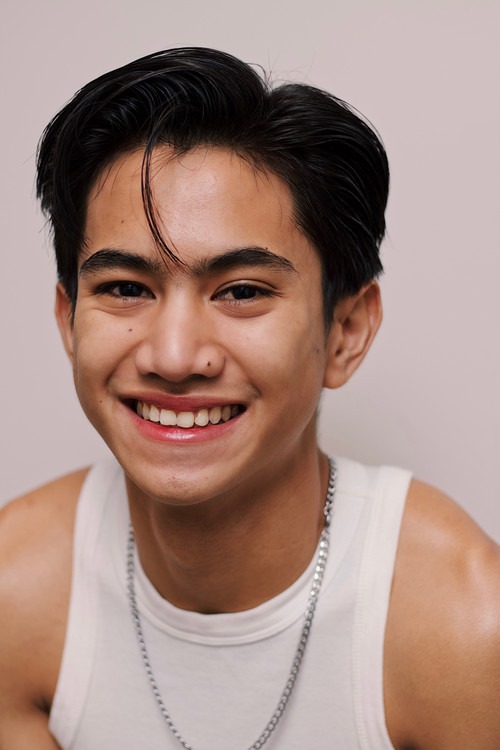
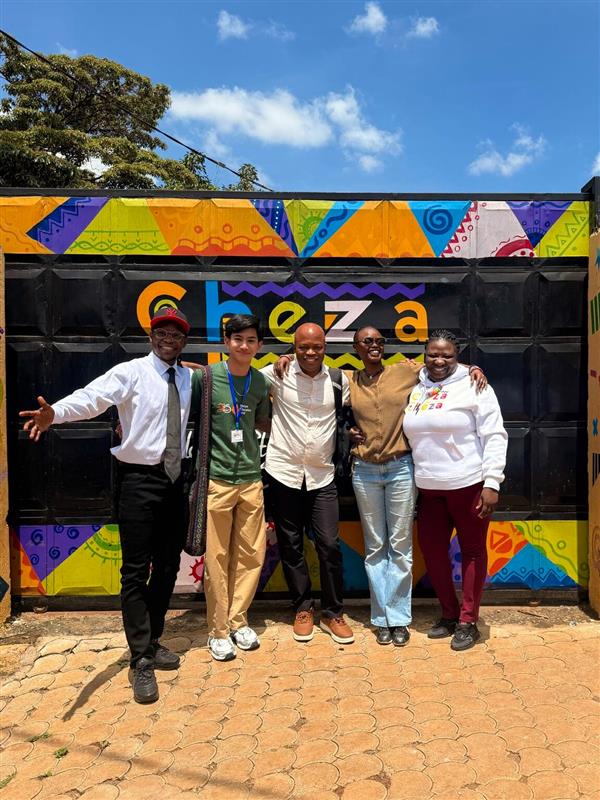
Ry De Guzman Jr. ’28, a double major in Anthropology and Dance with a minor in Global Engagement, spent two months in Kenya working with the ChezaCheza Dance Foundation as Wesleyan’s first “Global Engagement Minor (GEM) Ambassador” (a title that’s still a work in progress). His journey began during a spring break trip through Wesleyan’s Kenya Global Engagement course, where he first encountered ChezaCheza’s mission of creating safe and creative spaces for children in marginalized communities.
Through his internship, Ry explored the intersection of dance, youth development, and social impact while helping pilot a new global engagement opportunity for future Wesleyan students.
We spoke with Ry about his experience, the lessons he learned, and how his time in Kenya reshaped his understanding of art, culture, and community.
Can you introduce yourself and share a little about your background and interests?
My name is Ry De Guzman Jr., and I’m a Freeman Scholar from the Philippines, double majoring in Anthropology and Dance with a minor in Global Engagement.
I grew up in an Igorot community in the northern Philippines, where traditional practices were deeply valued. Moving between my hometown, the city, and now Wesleyan has shaped my interest in understanding how tradition and modernity intersect. Through anthropology and dance, I’m interested in exploring the world through everyday interactions, cultural experiences, and the connections between different communities.
What inspired you to return to Kenya and work with ChezaCheza Dance Foundation?
I first traveled to Kenya during spring break through the Kenya Global Engagement course with Professor Anita Deeg-Carlin. Wanting to combine my interests in anthropology and dance, I arranged a visit to ChezaCheza Dance Foundation as part of my personal project.
During that visit, I learned how ChezaCheza uses dance to create safe spaces and support the social and emotional development of children in marginalized communities, including Kibera and Mathare.
What interested me most was seeing dance used beyond performance or artistic expression. ChezaCheza demonstrated how the arts could be connected to youth development and social impact, which inspired me to return for a longer experience.
What did your day-to-day experience at ChezaCheza look like?
Every week looked different! Since I was ChezaCheza’s first formal intern, we were all figuring out what the experience would look like along the way.
I worked on marketing materials, helped reconstruct the organization’s website, and co-authored a $50,000 grant proposal for the BEAT program. I also taught dance classes, mentored young dancers through a pitch competition, and supported community initiatives.
One particularly meaningful experience was traveling to the Kakuma Refugee Camp in northwestern Kenya, where I visited ChezaCheza’s programs and helped facilitate a graduation ceremony for participants.
The variety of responsibilities allowed me to experience different sides of nonprofit work, from organizational development to direct community engagement.
Was there a particular moment or experience that stood out to you?
One of the most memorable moments was actually a simple conversation with a coworker. She asked me why I was always rushing, whether I was working or just walking somewhere!
I had never really questioned my pace because it felt completely normal to me. But that conversation made me think about cultural relativism, a concept I had studied in my Introduction to Anthropology class.
Living in Kenya helped me recognize how differently people approach time, productivity, and everyday life. It reminded me that even our smallest habits are shaped by culture. That experience taught me the importance of questioning what we consider normal and being willing to unlearn certain assumptions to better understand the world around us.
How did your experience shape your understanding of dance as a tool for social change?
ChezaCheza helped me see that dance is much more than an artistic activity. It can play an important role in shaping how young people understand themselves and their communities.
Through dance, participants developed confidence, learned to collaborate, and became more aware of the challenges affecting their communities.
One example was the pitch competition I organized with ChezaCheza’s AllStars dancers. Although many had little experience presenting ideas, they demonstrated an incredible awareness of local problems and a genuine desire to address them.
“Dance may not directly solve poverty or inequality, but it can help develop young leaders with the confidence, awareness, and skills to create change.”
As Wesleyan’s first GEM Ambassador, what did you learn, and what advice would you give other students?
The biggest lesson I learned was the importance of courage.
My experience in Kenya was incredibly rewarding, but it also challenged me to confront uncomfortable realities, particularly the inequalities affecting marginalized communities.
At the same time, I met inspiring local leaders and young people who were committed to creating positive change. Their work gave me hope and reminded me of the importance of understanding communities beyond our own experiences.
For Wesleyan students interested in similar opportunities, my advice is to have the courage to step outside familiar spaces, ask difficult questions, and learn from the people around you.
“What matters most is not to have a perfect world but a world where there are enough courageous individuals to navigate a constantly changing one.”