
By Leila Bensrhir ’28
You know the movie How to Lose a Guy in 10 Days? This is the opposite.
Instead of spending ten weeks figuring out how to get someone to leave you, spend 10 weeks figuring out how to make a new language stick!
To stay in the loop about current offerings on this list, follow the Fries Center for Global Studies Instagram @wesfcgs and subscribe to our biweekly newsletter.
Week 1: Find Your People
Week 1: Find Your People
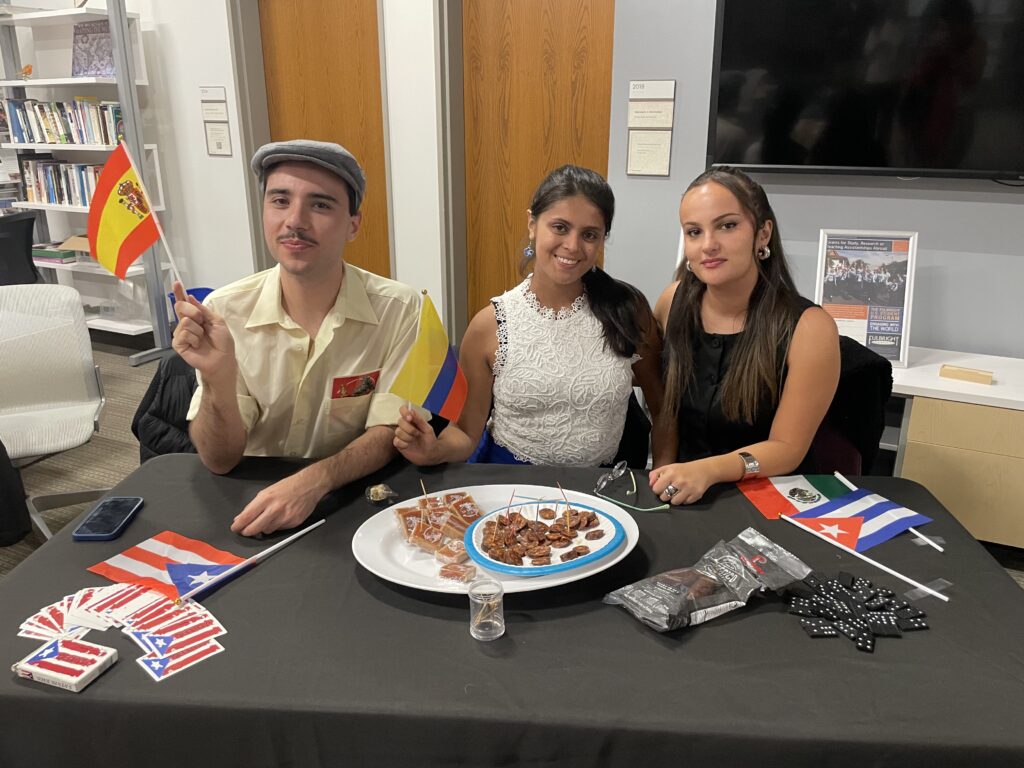
Start with a Language Conversation Table. Grab lunch, meet other students, and practice speaking with learners and native speakers. And no, you do not have to be fluent to show up. That is literally why you are there. We currently offer weekly language tables for Italian, Arabic, Chinese, German, Hindi, Korean, Spanish, Portuguese, Russian, Swahili, Japanese, and French. Email glo@wesleyan.edu for details.
Week 2: Watch a Movie
Week 2: Watch a Movie
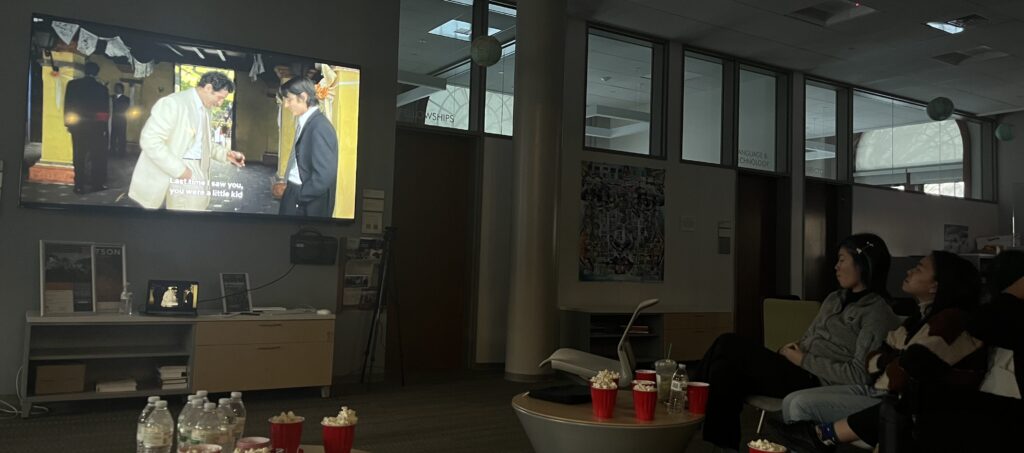
You already watch movies. Now you have an excuse to call it studying. Wesleyan hosts language and culture movie nights throughout the year, including multilingual programming through the Fries Center, International Education Week in November, Power of Language Week in February, and Film Series.

Week 3: Get a Language Buddy Over Break
Week 3: Get a Language Buddy Over Break
Wesleyan’s Language Buddies program connects students with others who want to practice languages outside the classroom. Talk, grab a bite, or just hang out. The goal is to make using another language feel less like an assignment and more like a normal conversation.
Week 4: Play a Game
Week 4: Play a Game
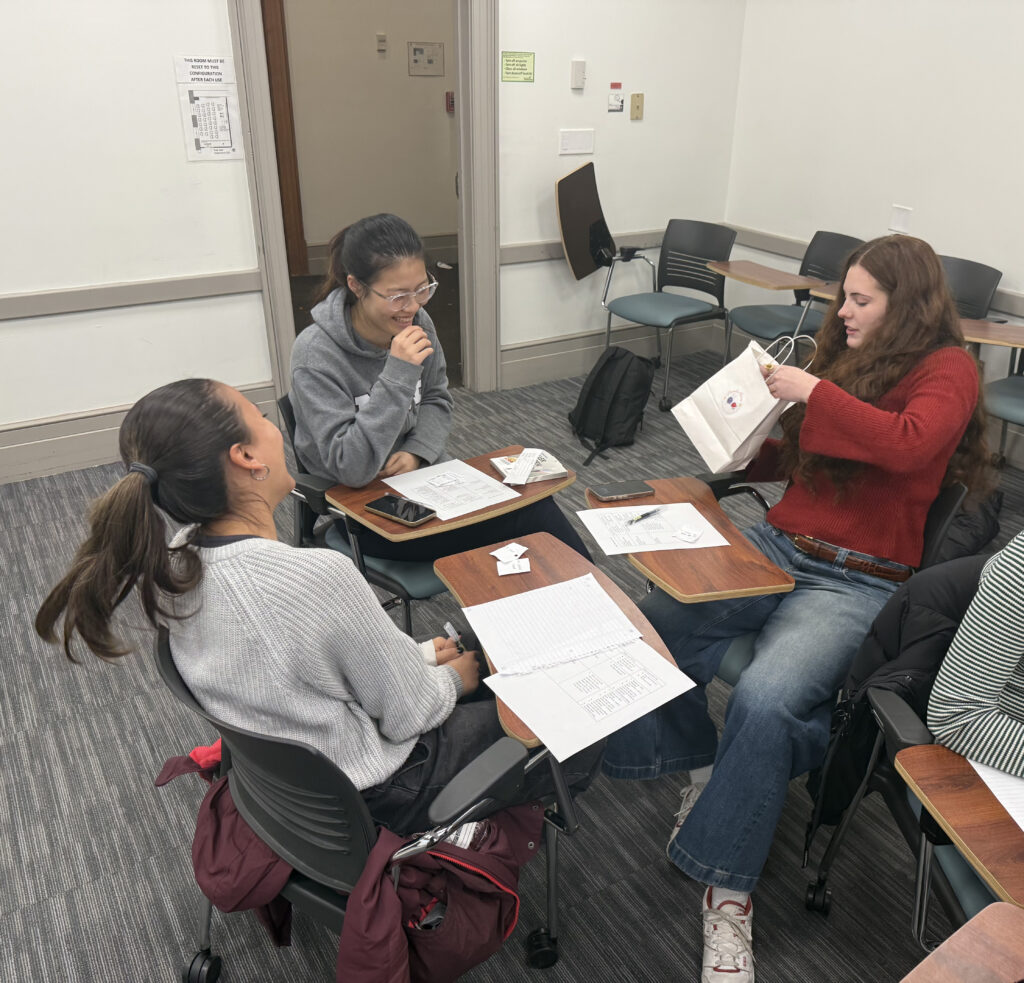
Games force you to think quickly, which is exactly what you need when speaking another language. Wesleyan language programs have hosted game nights, trivia, riddles, tongue twisters, and other interactive events. You might even learn something without realizing it.
Week 5: Go to a Cultural Event
Week 5: Go to a Cultural Event
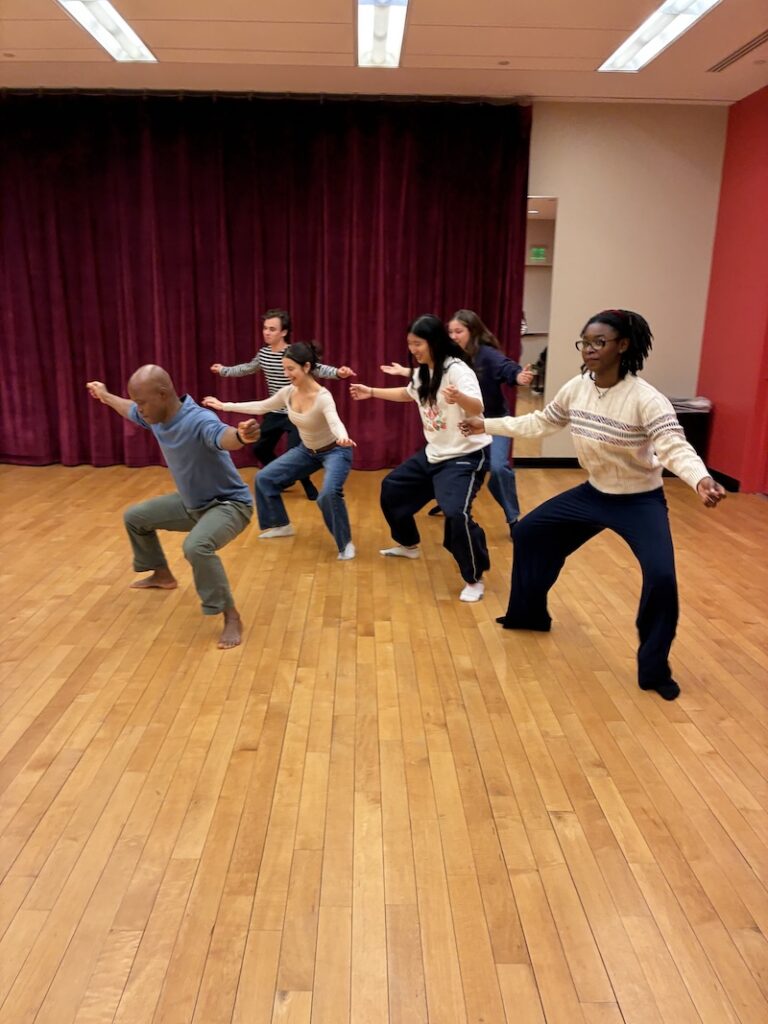
Try something completely outside your usual routine. Wesleyan’s language programming connects students with food, music, film, art, history, and traditions from around the world. You do not have to study the language to attend. Sometimes discovering a culture is what makes you want to learn the language.
Week 6: Make Your Phone Work for You
Week 6: Make Your Phone Work for You
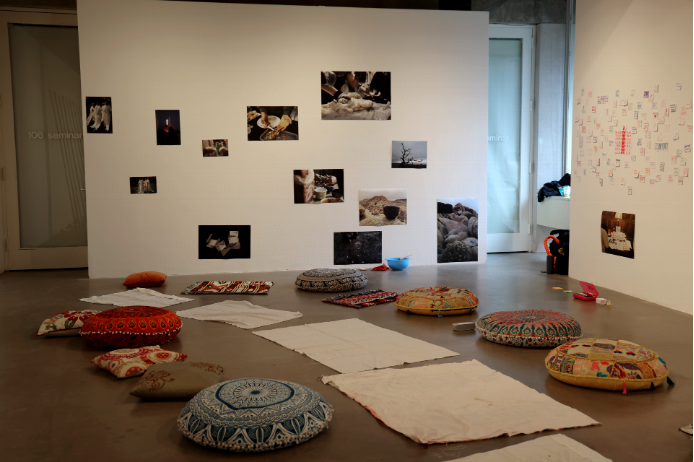
Change your media habits. Listen to music. Follow creators. Watch TikToks. Find a podcast. Read the news in your target language. You do not have to understand every word. The goal is to make the language part of your everyday life.
Week 7: Have a Movie Night of Your Own
Week 7: Have a Movie Night of Your Own
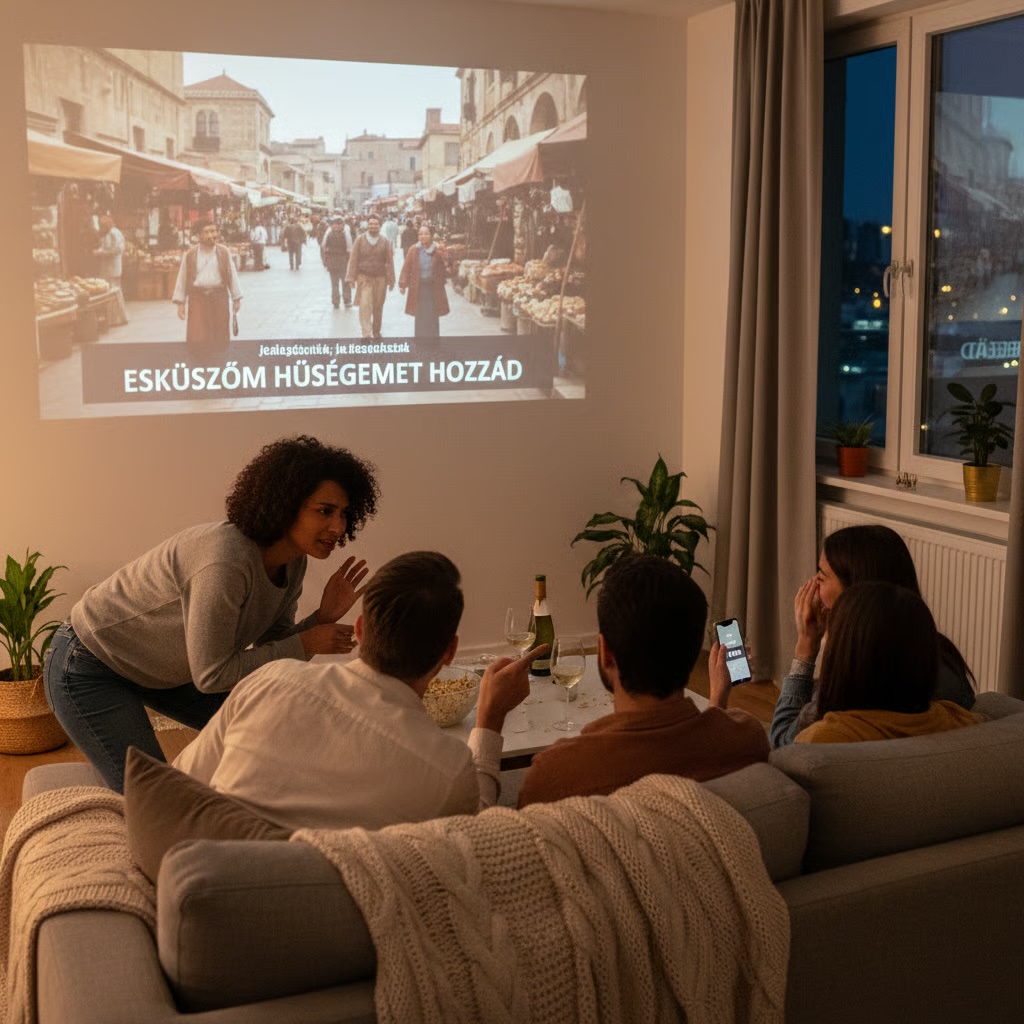
Can’t find a campus screening in your language? Make one. Grab your friends, pick a movie, order some food, and spend the night in another language. Start with English subtitles. Then switch to subtitles in your target language. Eventually, see what happens when you turn them off.
Week 8: Go to Power of Language Week
Week 8: Go to Power of Language Week
When Power of Language Week comes around in February, take advantage of it. The Fries Center’s celebration brings together students and language learners through film screenings, translation panels, games, workshops, music, food, and cultural events. It is a reminder that language is about more than grammar. It’s about people.

Week 9: Do Something Uncomfortable
Week 9: Do Something Uncomfortable
Have a conversation you would normally avoid. Order your food in the language. Introduce yourself to someone. Ask a question at a language table. Make a mistake. Especially make a mistake! You cannot learn to speak without actually speaking.
Week 10: Keep Going
Week 10: Keep Going
Ten weeks later, you probably will not be fluent. That is okay. Maybe you found a language table you love. Maybe you made a new friend. Maybe you watched a movie without English subtitles. Maybe you embarrassed yourself trying to speak and then tried again. That is progress. The easiest way to learn a language is to give yourself more reasons to use it.
At Wesleyan, those reasons are everywhere.