


By Roxana Ayala ’27
I’ve been playing a game for the past five months: how many times can one person get sick in a single semester abroad? So far, the answer is four.
With a weak immune system and a long history of catching whatever is going around (shout out WesPlague), it felt inevitable that I would get sick while studying abroad in Mexico. And I definitely have. Between visits to the program doctor and trips to the pharmacy, I’ve had plenty of experience navigating what it means to stay “healthy” while living here.

Before starting my semester, I had heard every possible concern. Friends and family still continue to check in often, asking if I’m safe or warning me about things happening in completely different parts of the country. This past week, my mom, born and raised in Mexico, questioned whether the inexpensive ($3 USD) antibiotics I picked up at a local pharmacy could really be working.
It’s a very strange feeling to live in a place that people are so wary of while having an experience that looks completely different from what they expect.
Because the truth is, I feel safe here. I feel healthy. And more than anything, I am happy. In many ways, I feel freer than I do in the United States. I walk everywhere, something I can’t do in my hometown. My favorite evenings are spent wandering through my neighborhood, music blasting in my ears, enjoying the cool night air. There’s a sense of independence I have gained here that has changed how I move and carry myself.
Of course, no place is perfect. Every city has its risks, and being aware of your surroundings is always important. But Mexico isn’t inherently dangerous. It doesn’t have to be scary.
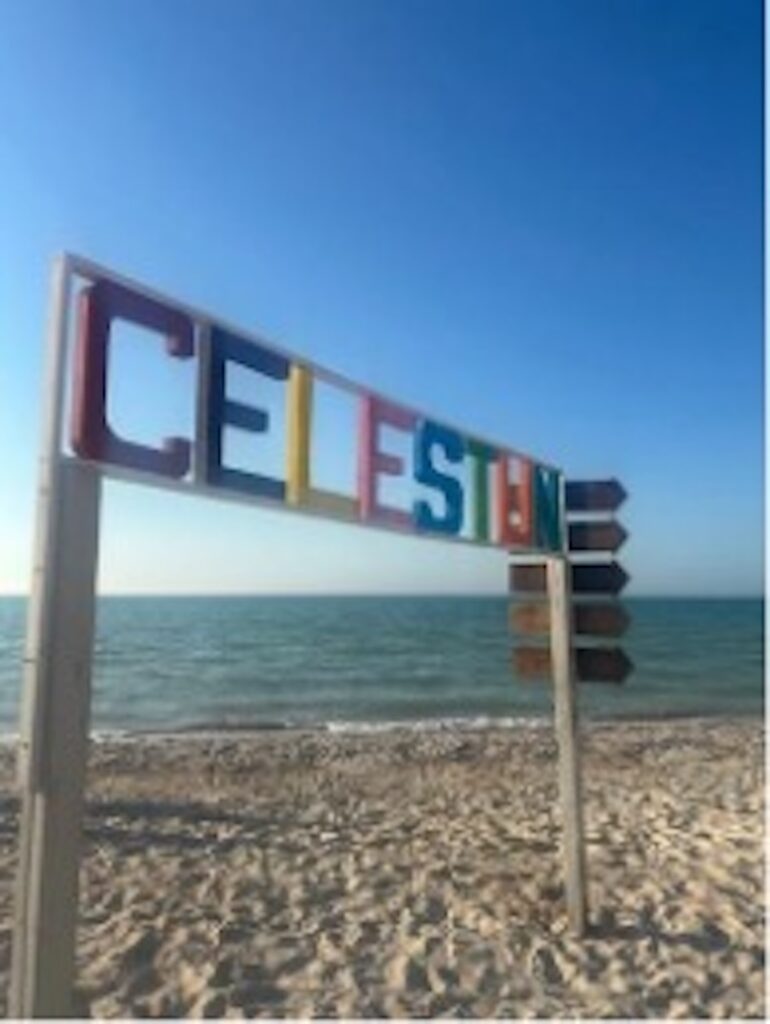
A few weeks into the program, I joined a group of peers on a spontaneous trip to Celestún, a beach town on the western coast of the Yucatán Peninsula. What was supposed to be a short trip turned into a three-hour bus ride. By the time we arrived, it was late afternoon.
The town was peaceful, with just a few families on the beach. I wanted to stay for the sunset, to watch the sky change right over the water. But others in the group felt uneasy about being there after dark. Even though it wasn’t close to nighttime yet, we left after less than an hour.
Later in the semester, I returned to Celestún with my parents. This time, we stayed. We spotted flamingos, searched the seabed for shells, and waited for the sun to dip lower and lower into the sea. When night finally came, the town didn’t become dangerous… it became alive. There was a small festival happening in the center with food stalls, music, and people gathering after spending the day escaping the heat. It was so welcoming. Beautiful and full of life.

Studying abroad is more than just visiting new place; it’s about learning how to exist there. Part of that process is getting comfortable being uncomfortable. It means questioning what you’ve been told, staying a little longer, and letting your own experiences shape your understanding. The stories we hear, the assumptions we absorb, and the fear that grows from them are what make places like Mexico seem so intimidating. So much of it comes down to perception, not reality.
Being here has made it easier to look beyond that. It’s shown me how important it is to trust your surroundings, stay curious, and embrace what’s unfamiliar even when it challenges what you’ve heard before. And honestly, one of the most important parts has been seeing for myself how little of those assumptions actually hold up.
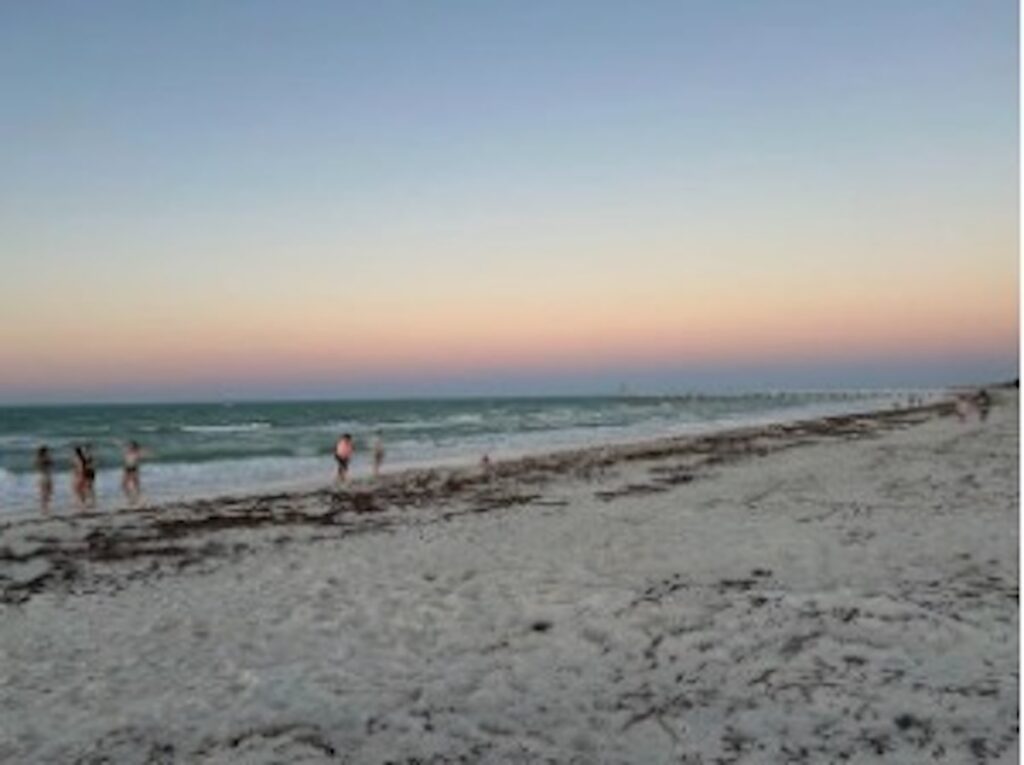
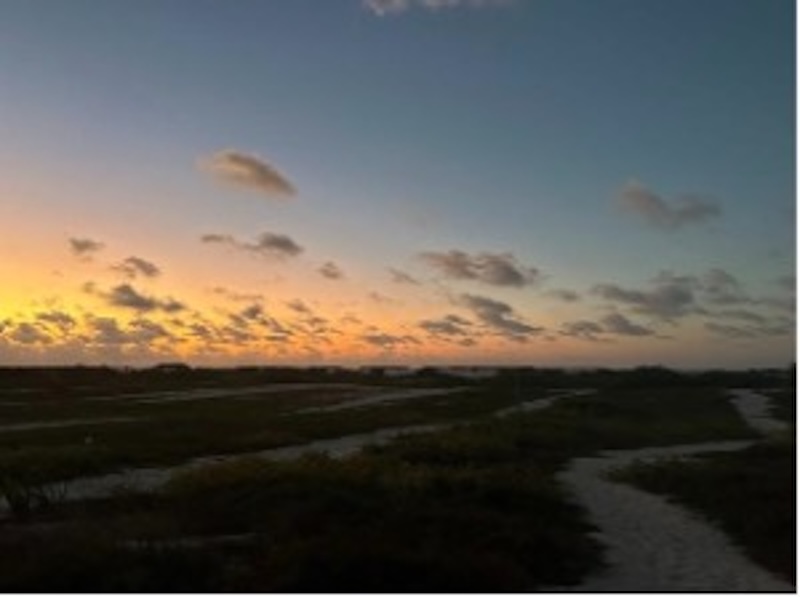
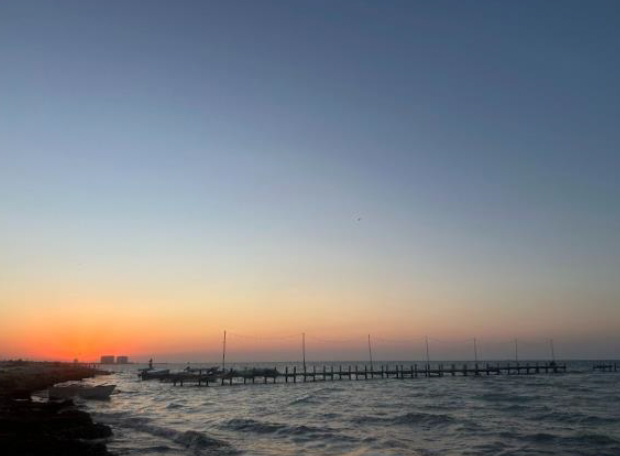
I have made an effort to stay at the beach until sunset ever since. Pictured are Progreso (top), El Cuyo (middle), and Sisal (bottom).