

By Zaynah Almasri ’27
The Art of Lüften
In German households, there is a practice called lüften: opening every window and door at the same time to let fresh air move through the house. It does not matter if it is freezing outside, raining sideways, or still dark out at five in the morning. The windows will open. Warmth disappears instantly. Curtains fly around violently. Whoever happens to be sitting peacefully inside is suddenly fighting for survival in what feels like an artificially created wind tunnel.
Apparently, this is healthy.
It clears out stuffiness, removes pollutants, prevents mold, improves energy efficiency, and makes the room feel lighter afterward. Germans swear by it. Emotionally, however, it feels like betrayal.
For most of my life, I treated my identities the opposite way. I kept them in separate rooms with the windows shut tightly.
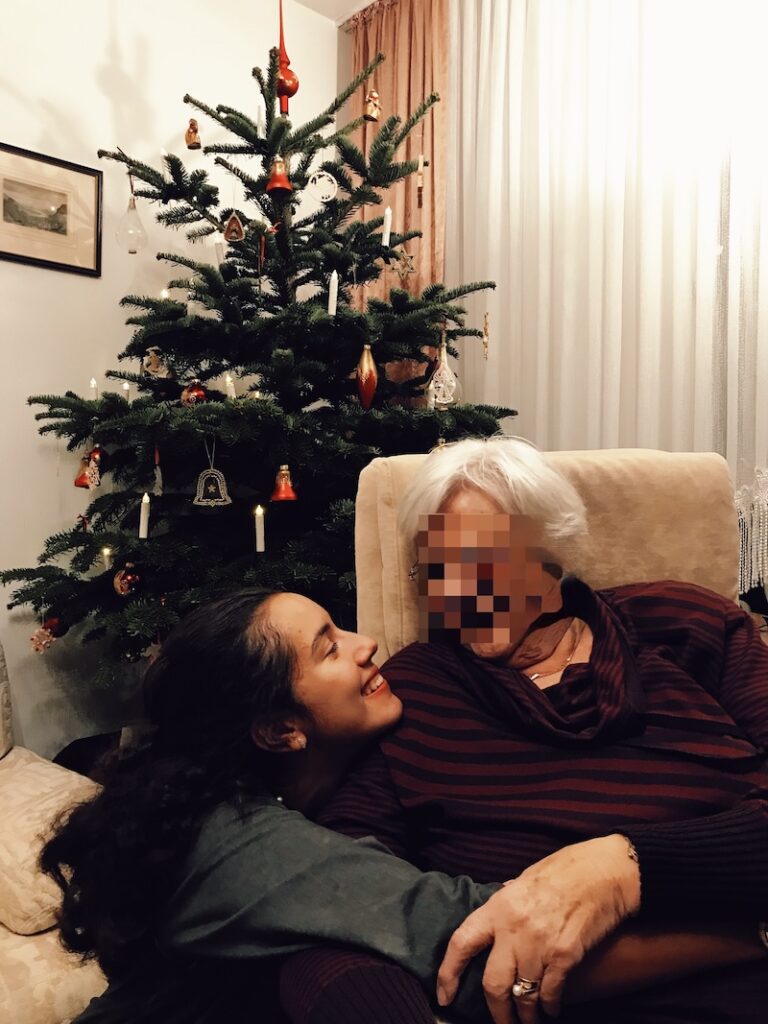
My mother is German. My father is Syrian. I was born in Michigan and raised in Morocco. Which sounds interesting until someone casually asks, “Where are you from?” expecting an answer that does not require a flowchart.
So I learned to compartmentalize. Different rooms for different versions of myself. German habits in one room. Arabic in another. Morocco somewhere in between. English carefully floating through all of them trying its best to mediate the situation.
The problem with keeping all the windows closed for too long is that eventually the rooms become stuffy.
At some point, without really realizing it, I started opening the windows.
Not dramatically. Just tiny cracks at first.
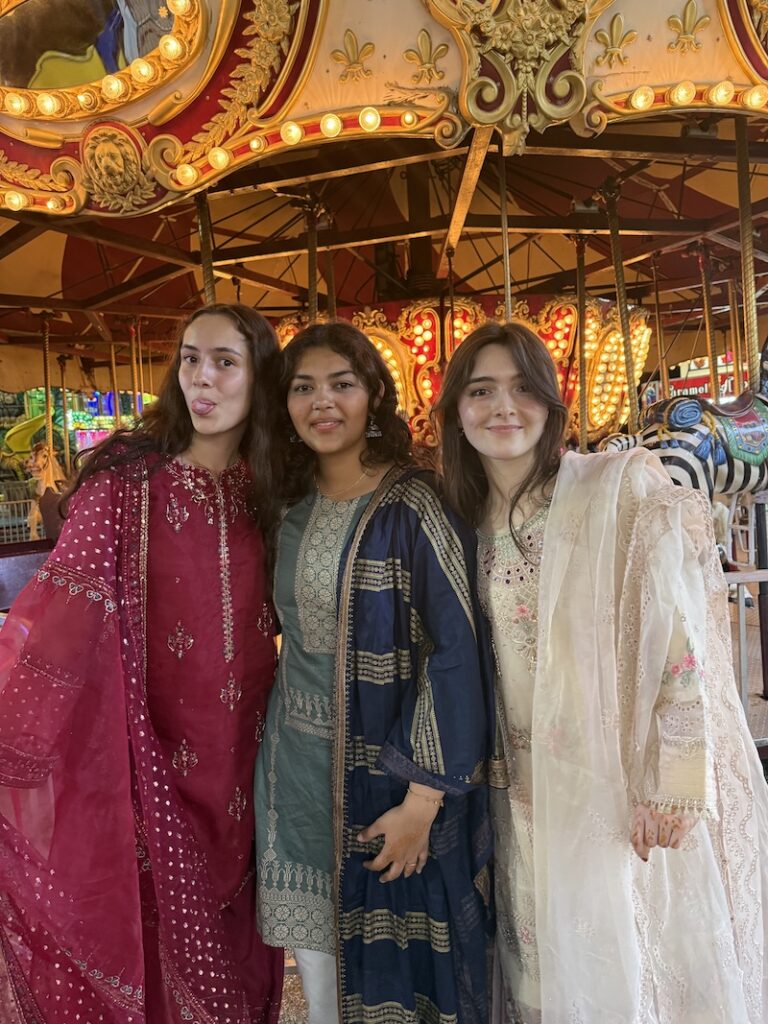
I found pieces of home in unexpected places and in people who, on paper, had nothing to do with my background. Somehow, I ended up surrounded by friends from cultures completely different from mine, yet strangely familiar. The first time my Pakistani friend immediately tried to give me her earrings after I complimented them, I laughed because I recognized the instinct instantly. Arab hospitality had entered the room through a different door wearing different clothes.
That became the strange beauty of cultural mixing: realizing how often cultures echo each other.
The languages changed. The food changed. The music changed. But certain feelings stayed recognizable.
Community. Warmth. Loudness. Feeding people aggressively. Refusing to let guests leave hungry. Conversations that take too long because nobody actually wants them to end.
The windows opened wider.
I started dancing to Spanish songs I could not understand at all. The hips were moving regardless. Later, I took Spanish classes and slowly began understanding the lyrics I had already emotionally committed myself to months earlier. My Arabic remained the language of dramatic emotional reactions because honestly, anger sounds significantly more poetic in Arabic. My German continued functioning as an internal voice reminding me to do practical things like organize my life and ventilate rooms properly.
Somewhere along the way, the identities stopped feeling separate.
Of course, keeping all the windows open creates chaos too. Air rushes in from every direction. Things move around unexpectedly. Sometimes I feel suspended between cultures in the smallest moments imaginable.
Crosswalks, for example.
My German side believes crossing on red is morally unacceptable and potentially worthy of imprisonment. My Moroccan side views traffic laws as highly flexible suggestions created mainly for decoration. So now I stand at intersections having full internal identity crises while everyone around me simply crosses the street like normal people.
A friend once told me I should announce my decisions out loud depending on which side wins. If I jaywalk, I yell yallah. If I wait patiently for the light to turn green, I say los geht’s.
It sounds ridiculous, but moments like that taught me something important: identities do not dilute each other when they mix. They become more alive.
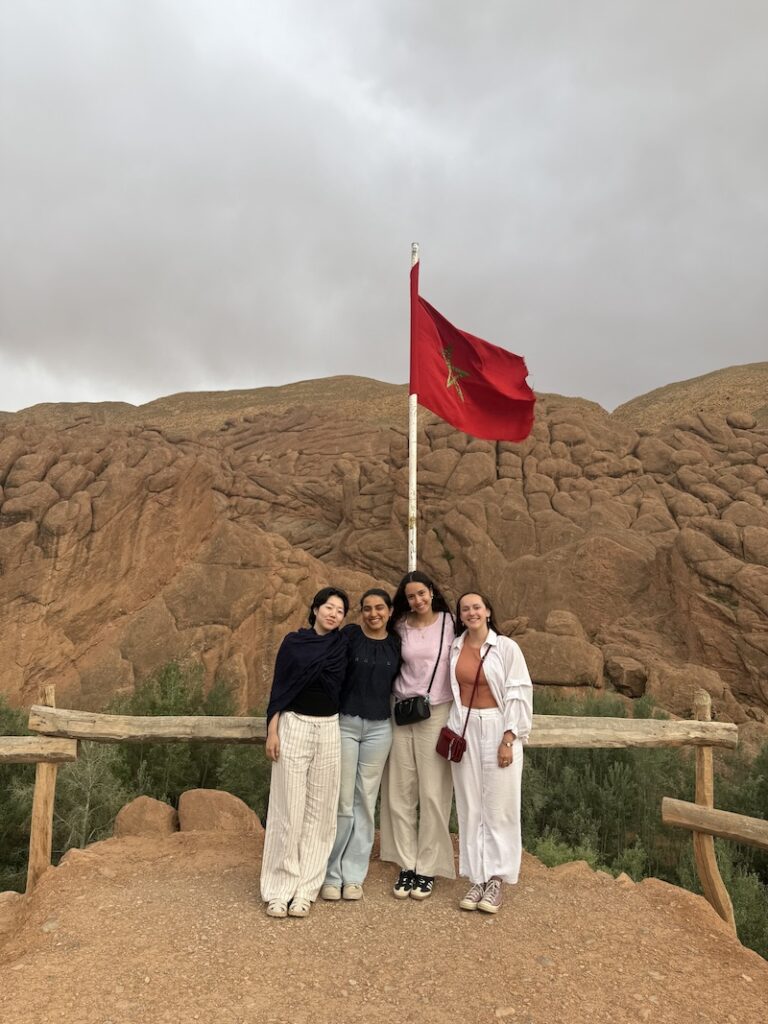
For a long time, I thought belonging meant finding people exactly like me. But I slowly realized that was impossible. Nobody shared my exact combination of cultures, languages, habits, contradictions, and experiences.
Instead, belonging came from people willing to sit in the strange in-between spaces with me.
Home stopped becoming one country, one language, or one version of myself. Home became people. It became friendships built from shared understanding despite completely different backgrounds. It became tiny moments of recognition hiding inside unfamiliar places.
I used to think becoming less complicated would make life easier. Instead, life became richer when I stopped trying to simplify myself.
Now all the windows are mostly open.
The rooms are louder. The air is constantly changing. Sometimes nothing matches properly. My English has somehow picked up traces of other accents along the way, my playlists switch
languages every three songs, and my brain continues operating like an ongoing cultural group project.
But the rooms feel lighter now.
Apparently, the Germans were right about lüften after all.