
By Jack Noble ‘25
Hey Fries Center fans, fanatics, and followers of all kinds,
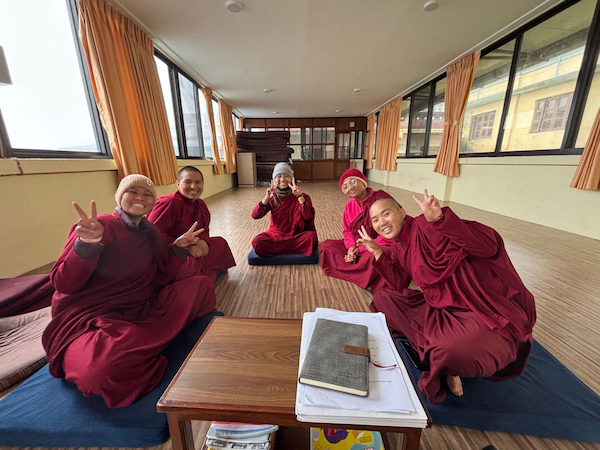
Just under two weeks ago, I arrived back in the States from a ten-month stint in Nepal. I was working an independent research project through the Buddhist Studies wing of Kathmandu University, studying, through interviews and surveys, how Tibetan Buddhist monks engage with digital entertainment technologies like TikTok, Facebook, and Instagram. While I wouldn’t say I was unprepared for this experience, looking back I do think I was a little uninformed about what a post-grad Fulbright looks like day-to-day. I thought that somewhere in that active core of the Fries Center fanbase there might be some soon-to-be graduates considering applying for a Fulbright research/study grant themselves–or at least parents of such students–who would be interested in being a little more informed than I was going in.
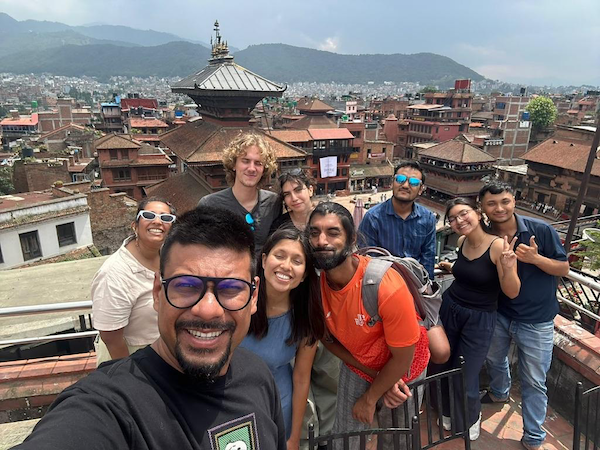
I want to preface that it is unclear to me still how common my experience is across Fulbright commissions and locations; a lot of research/study programs/locations strongly prefer PhD or master’s students. That being said, from my eyes, doing independent research through a postgrad Fulbright is truly awesome. Eight to twelve months, in a location of your choosing, to independently pursue a topic of your choosing…and you’re being paid?? It’s a dream come true for a twenty-three year old: gaining valuable research experience, while living abroad, while getting time and space from college and home to think about what comes next, what’s worth doing, what kinds of work feels valuable. The program is a beautiful thing–far different and less structured than the ETA system–and in my opinion generally underapplied for. If you take nothing else from this article, take this: just apply. You really can do it.
Now here’s what I didn’t really understand about Fulbright when I applied. The program is often advertised along other recent graduate-oriented fellowship programs like the Watson or Princeton in Asia, and I think that made me perceive it as this similarly young-person-oriented, somewhat hand-holdy portal into the working world. That, it is not. Fulbright gives grants. They meet you, give you your grant, and off you go. What you do next is basically entirely up to you; you submit a report every two months on your research progress, and are expected to be getting something done, but what that something is–and the timeline to finish it–is for you alone to decide. The program quite literally could not be more self-directed if it tried.
This system is comfortable for PhD students, who made up the majority of my research cohort; for recent graduates, on the other hand, it can be quite overwhelming! Several of my friends and I struggled with anxiety about whether things were “going well” or if we were “doing enough” in those first months. I had been given the advice to schedule two months in Kathmandu to arrive, make connections, and figure out the direction of my research; this advice was crucial for me, and my friend who launched straight into fieldwork regretted her anxiety-induced jumpstart later down the line. I also counted myself lucky that I had just finished a lengthy senior thesis: reading papers and building out my project in the library during those first months didn’t feel far from what I had done the year before for my CSS degree at Wes. This soft launch made for an easier landing culturally as well–culture shock is no joke!
After those first two months, a second thing I hadn’t considered about a year of independent research made itself apparent to me: there’s really only so much time you can spend on one research project in a week. I was bored, bored as hell. Even doing a senior thesis you have other classes, extracurriculars, and various responsibilities to manage, not to mention a social life. Through Fulbright you have your one project–that’s it. The program doesn’t even allow you to take on any other paid employment during the grant period.
So, as a Fulbrighter, you need to find other ways to fill your time. My cohort primarily found three avenues for this. The first was attaching to other academic side-projects. PhD students had the easiest time with this, with the wealth of connections and opportunities of a grad program at their disposal. But I was also able to put together a research collaboration with a professor at Cornell I’d been working on my senior thesis with–a super lucky opportunity that I was only able to pursue because of the free time the grant gave me. The second avenue was volunteering, which several Fulbrighters did–as guest teachers, mostly, but also into whatever programs struck their interest. The third avenue was creative pursuits and hobbies. Two of us picked up the guitar, one friend published a poetry collection and started animating, another picked up printmaking, three of us did meditation retreats, etc. Pretty much no better time to sink a lot of time into a preferred skill or interest than on the schedule a Fulbright affords you.
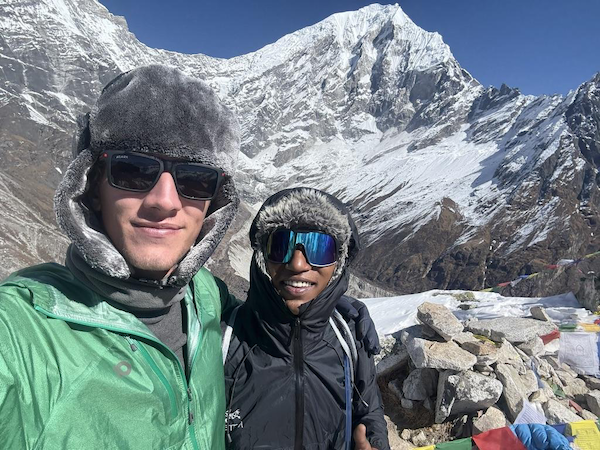
Life went on, and grew more fulfilling as I poured my spare time into a second research paper, learning guitar, and something beginning to resemble a social life. I ended up doing fieldwork for about four months after my initial two months of project-planning, while also going trekking with a friend through the Himalayas, visiting Vietnam, and getting dengue, giardia, and the flu in the same time period. I spent the final four months of the grant translating, coding, and analyzing my dataset: twenty interviews, seventy-two surveys, and fifty-eight phone screentime datasets in total, collected at three different monasteries across Nepal. I’m still working on the publication, but a public-facing summary of some of the findings is available here , if you’re interested in how monks are thinking about rising phone use in the monastery. The work was hard, but I already feel some nostalgia for those days in the library…it feels good to spend your time on a labor of love, a pursuit you find important, done on behalf of those very communities you work with. It makes you wonder why you would spend your time on anything else.
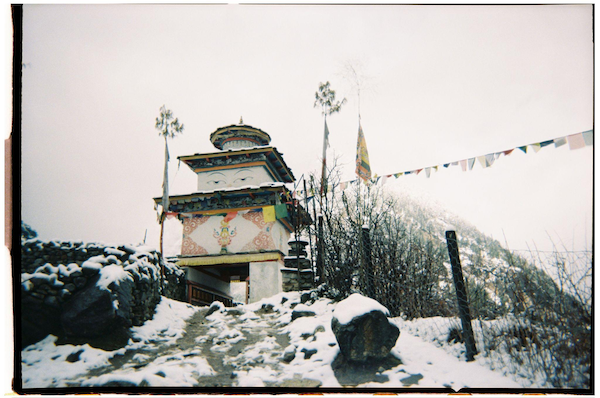
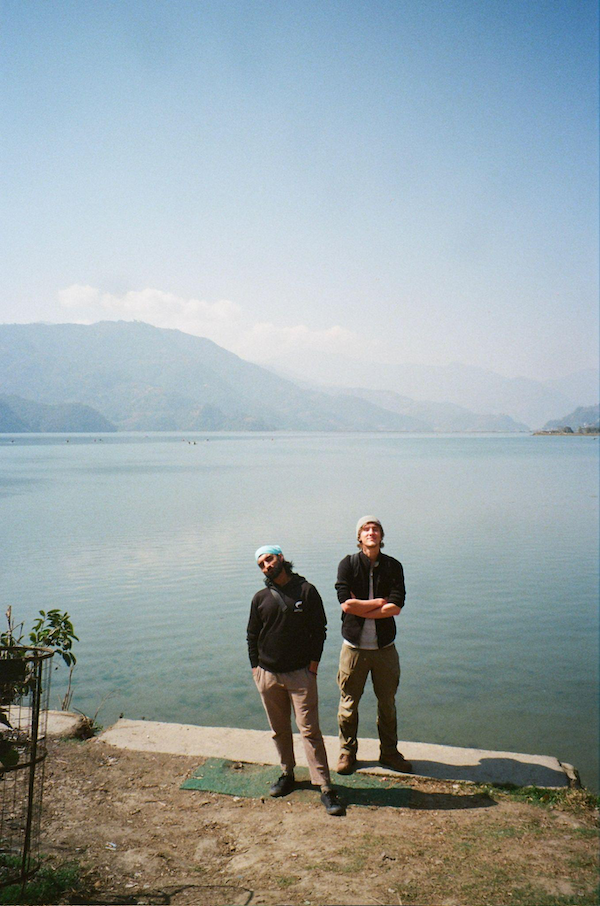
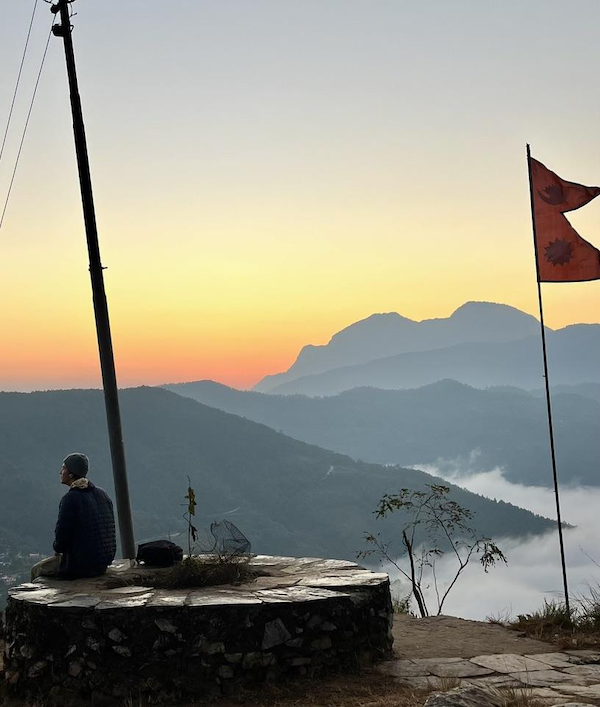
I have other little idiosyncratic pieces of advice and things I wish I’d known; I’ll list them as bullets below. If you have any questions about anything, feel free to email me at jack.noble@fulbrightmail.org. Thanks for reading!
- If you’re moving to a country where host families are easily accessible, they are an incredible option, especially for the first several months: cheap housing, sometimes meals made for you, and a supportive familial environment, which in unfamiliar cultures is a godsend. I meant to stay with mine for only one or two months and ended up staying for seven.
- You don’t realize how important your academic database access was until Wesleyan strips it from you a month after graduation, and, unless you’re lucky, host institutions won’t provide it for visiting scholars. I’ve heard that libraries with US zip codes can sometimes have pretty good digital access options. Worth thinking about at least.
- Some application tips: 1. Trust Erica Kowsz on all things, she’s a genius. 2. The social sciences and humanities are more amenable to independent projects than STEM disciplines, which typically require a larger, more coordinated team. That doesn’t mean either application is less strong than the other, but from what I saw the enviro/social scientist/artist ppl were generally the lead on projects that they had proposed themselves, while the STEM folks were mostly assisting with larger, institution-scale projects. 3. When you’re asking for affiliation letters, attach a draft of that letter to the email; the less work the organization has to do, the better. 4. If you’re still in the first two years of college and want to do Fulbright, research experience in the country you want to go to is a HUGE determinant; look for semester abroad programs or summer internships in the area if possible.
- Apply!!
In light of the recent floods, the following section had been added to this article:
Please consider donating to rescue and rehabilitation efforts in Nepal in the wake of the horrific flash flooding! Thank you.
- Nepal Red Cross: donate.redcrossredcrescent.org/ifrc/nepal-flash-floods/~my-donation
- Prime Minister’s Fund: pmdrf.nchl.com.np/