

By Charlotte Li ‘28
Winter break is just around the corner, and excitement is building across the campus. Students are finishing finals, planning trips home, and looking forward to time with loved ones. At Wesleyan, winter is marked by celebrations of culture diverse in their variety and unique to each student, domestic and international alike.
We gathered stories from three students who were excited to share how their families celebrate festivals in this season. Their stories remind us that while these holidays vary widely, they share a common theme of gathering, gratitude, and love.
Celeste Belin ’28: French and German Traditions
Celeste celebrates customs from both her German and French heritage in this winter season.
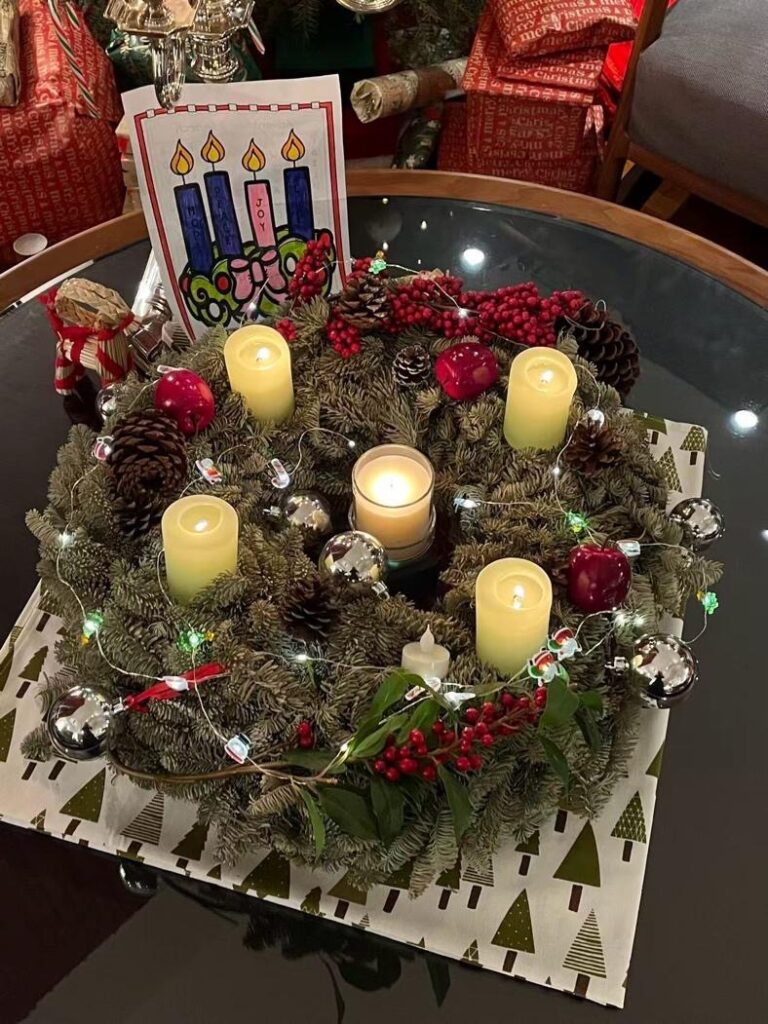
As Celeste describes, late November and December are a big celebration season for her family. On top of different traditions and festivals they are celebrating, they are also honoring three birthdays for her family members, which makes it an even larger celebration season. Celeste’s family begins this celebration season in late November with “Advent”, a Christian tradition from her German side of her family. Each of the four Sundays before Christmas, her family gathers to light candles nestled in a wreath one at a time, respectively representing peace, hope, joy, and love. After lighting each candle, they also enjoy homemade German Christmas cookies and sing German Christmas songs together. It is a moment of calm before the holiday excitement truly begins.
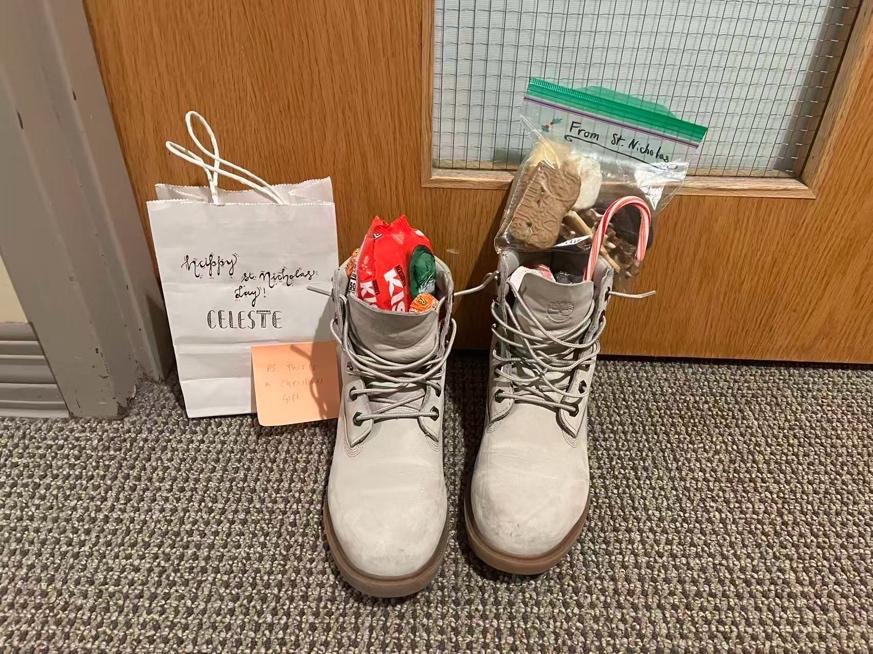
Then comes “Nikolaustag” (St. Nicholas Day in English) on December 6th, which is celebrated in many German-speaking regions. Children leave their boots or socks outside their doors the night before, and wait for St. Nicholas to fill them with sweets, chocolates, and cookies. While some of us might be more familiar with Santa Claus as the main gift giver of the season, “Nikolaustag” actually honors a historical figure. St. Nicholas was a real 4th-century bishop known for his generosity and for secretly giving to those in need. Santa Claus, with his red suit and the reindeer, was developed much later in popular culture, but both figures share the same spirit of kindness, which makes this time of year feel magical.
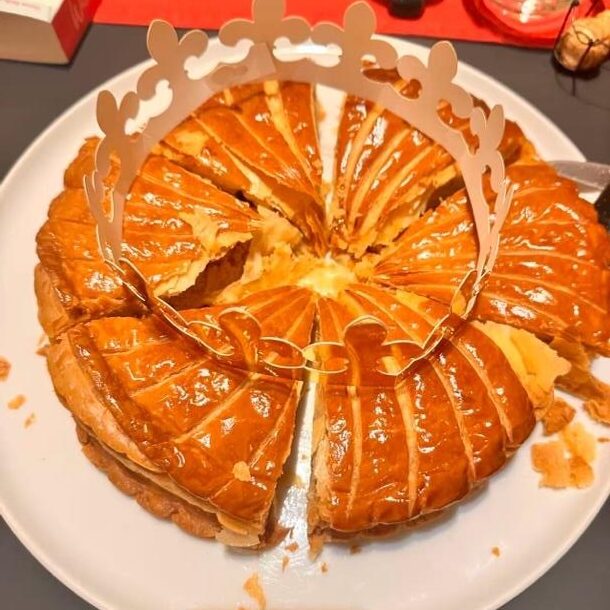
From her French side, Celeste celebrates the “Galette des Rois” (King’s Cake), traditionally eaten on the first Sunday after the first of January. This is a custom that honors the Christian feast of Epiphany, marking the visit of the Three Wise Men to the baby Jesus. A small ceramic figurine, known as a “fève,” is hidden inside the cake. The youngest child in the family sits under the table and randomly calls out who receives which slice, and whoever gets the slice with the “fève” will be the “king” or “queen” of the day.
Xiao Han ’28: Chinese New Year and Dumpling Making
Chinese New Year is one of the important festivals Xiao celebrates at home. On the lunar calendar, Chinese New Year falls on the first day of the first lunar month, marking the beginning of a new year and the arrival of spring in the traditional East Asian calendar. Often called the Spring Festival, it is the most important holiday of the year for many Chinese families. The celebration stretches over fifteen days and is filled with rituals meant to welcome good fortune, such as cleaning the house to sweep away the old year, decorating with red banners for luck, visiting relatives, and sharing festive dishes that symbolize prosperity and togetherness.
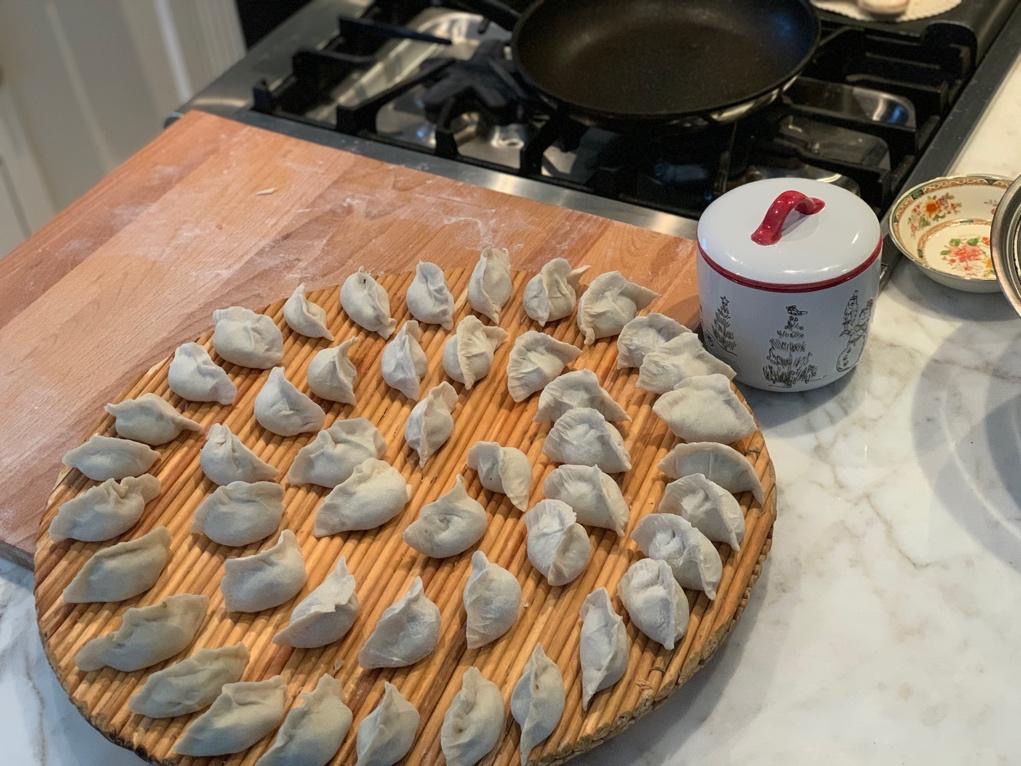
Among all the traditions, dumpling wrapping is Xiao’s favorite activity to do in the Chinese New Year. For her, it is more than a cooking activity but a sense of home and togetherness. “My family always does it together,” she explained. “We wrap the dumplings together and then eat them together.” This shared moment reflects a core theme of the Spring Festival: welcoming the new year through unity, preparation, and warmth.
Xiao also mentioned that her family wraps dumplings with fillings that carry symbolic meaning. Xiao described how they often use rice cake and red dates inside the dumplings, ingredients chosen not just for flavor but for what they represent; in Chinese culture, both foods are associated with growth, betterment, and wellness in the coming year. The act of sealing these wishes into each dumpling makes the meal both festive and deeply meaningful.
Zoey Possick ’28: Jewish Italian traditions
Zoey’s winter traditions weave together her Jewish and Italian heritage.
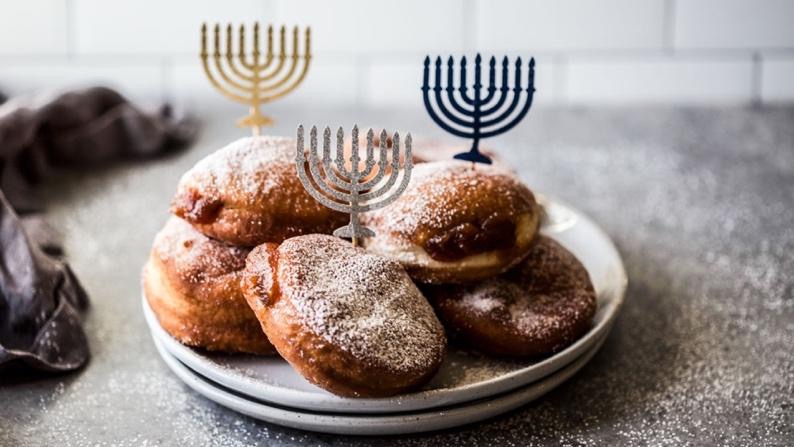
Chanukah is an eight-day Jewish celebration that Zoey celebrates the most, commemorating the rededication of the Second Temple in Jerusalem and the miracle of the oil that burned for eight nights. As Zoey describes, in the eight-day span, they light a menorah and open a gift each night. They also eat special foods like “latkes” (potato pancakes) and “sufganiyah” (donuts), and play with dreidels (spinning tops) together. Beyond the rituals, what she emphasized most was the atmosphere at home, remarking “It’s super fun in my house, usually with lots of good food and my whole family gets together.” In her description, Chanukah becomes not just a ritual of lights but a ritual of togetherness.
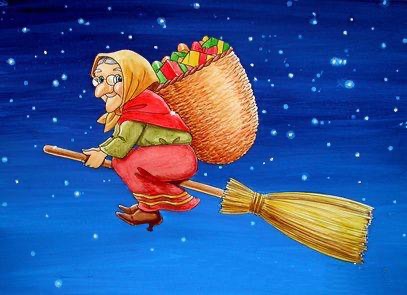
From her Italian side, Zoey celebrates “Le Befana,” a kind old witch who flies on a broomstick to fill kid’s stockings with treats or coal on the night before Epiphany, depending on how they behave. She celebrated Le Befana mostly as a kid, but this tradition still remains a charming part of her memory and associations with the holiday season.
Her Italian American family also keeps the tradition of the “Feast of the Seven Fishes,” a Christmas Eve meal rooted in southern Italian culture. The feast features different seafood dishes, for her family usually consisting of octopus, eel, mussels, clams, shrimp, and more; it’s an impressive spread rooted in Italian culinary heritage. And as she emphasizes, no holiday season would be complete without “panettone,” the airy, fruit-studded sweet bread enjoyed throughout Italy during Christmas and New Year’s.
As winter break approaches, these stories remind us that our Wesleyan community is shaped by countless traditions that travel with students from all around the world. Whether it’s lighting a menorah, sharing King’s Cake, waiting for La Befana, or wrapping dumplings filled with wishes for the new year, each celebration carries its own kind of warmth. Together, they show that this season is not only about the holidays we celebrate, but about the people we celebrate them with. Wherever you’re headed this break, may it be filled with rest, joy, and traditions that make you feel at home.