
By Anita Deeg-Carlin, Director of Intercultural Learning and the Global Engagement Minor
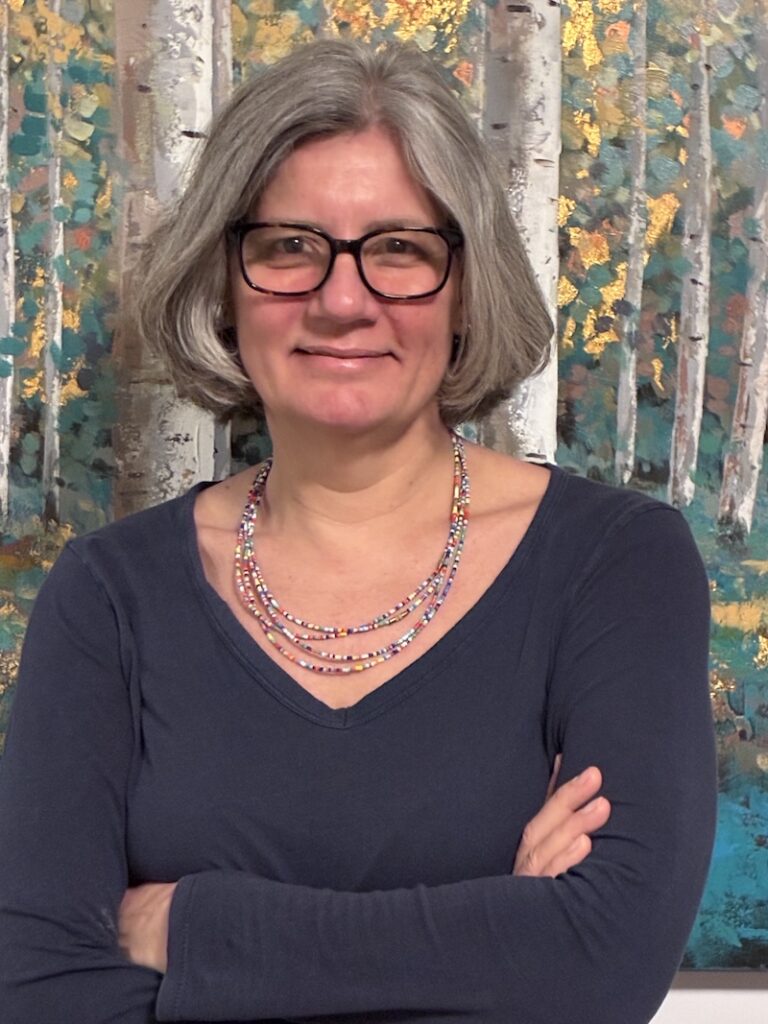
As much as I adore my job, I will admit that it is with a breath of relief that I sit here – ready at last – to contemplate this action-packed year with a bit of a rear-view mirror perspective! While oh-so-rewarding, it has been an incredibly busy two semesters that have left me with so much to celebrate, reflect on, and grow from. I recently partnered with a wonderful mentor, Dr. Sarah Leibovitz, who adds a fresh viewpoint to my work, and at her suggestion, I’m doing some of this reflection “out loud”, with you, so that we can grow together. Thanks for reading – your feedback is always welcome.
This past fall, our GEM Student Advisory Board delivered on their promise to help promote the minor, and the gateway course for the Global Engagement Minor (CGST 205) bubbled from a previous five-year average of 14 to an unprecedented 22 students! After changing classrooms to physically accommodate the growth, I also needed to reevaluate my pedagogical priorities.

The course emphasizes intercultural competence, a topic that I insist on teaching with an experiential and relationship-centered approach. I studied natural resource management from a scientific perspective myself, but in my field-based Masters program, I learned that without intercultural competence, attempts at sharing resources across borders tend to fail, no matter how technologically sound. Although the GEM is highly interdisciplinary, the same logic applies everywhere – whether we’re studying healthcare, dance, or economics, we’re navigating cultures in the real world, and we have to learn to let nuance lead the way. Students need practice unpacking assumptions about their fields from different cultural perspectives, and I am committed to modeling how to hold space for that in our interdisciplinary GEM classroom. I decided not to compromise our community engaged program, but to rather make it more efficient. Thankfully, both of our partner communities, our local international community partners and our peer entrepreneur partners, expanded with us, and together, we made it work. Scheduling was a headache, but both of these groups provide such rich intercultural opportunities right here in Middletown, that they have become a favored learning environment and we’re so grateful for their participation.
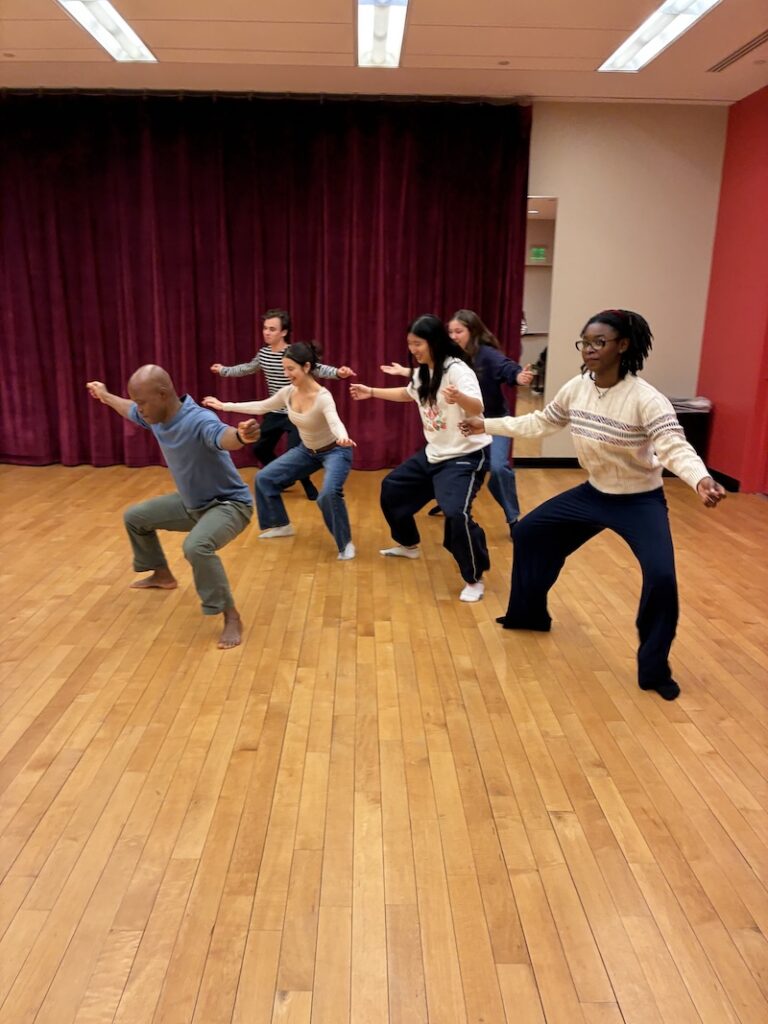
Related to my work in the classroom, intercultural work on campus includes what have become a cherished series of opportunities to explore difference with our colleagues – many of us in the staff, faculty and scholar communities recognize the wealth of cultures we represent and are surrounded by, and we are eager to develop our own cultural self-awareness while developing our ability to navigate difference inclusively on our teams. Dr. Willette Burnham-Williams (Dr. B), our VP for Equity and Inclusion, and I have deeply valued the opportunity to collaborate over the past two years, recognizing the powerful intersection between equity and inclusion work and intercultural learning. We offered five participative sessions again this year, and were repeatedly inspired by the openness participants brought to each session; they stepped out of their comfort zones, engaged in thoughtful dialogue and activities, and intentionally built community together. There’s a real, unmistakable energy around co-creating a culture of belonging, and it’s been so rewarding to be a part of. I’m deeply grateful to the many colleagues who showed up, made the time, and leaned in to build something meaningful together. Thanks especially to Lauren Stumpf, Associate Director of Professional Development and Employment, for her gracious support of our partnership by hosting our Intercultural Workshops in the Success at Wes offerings.
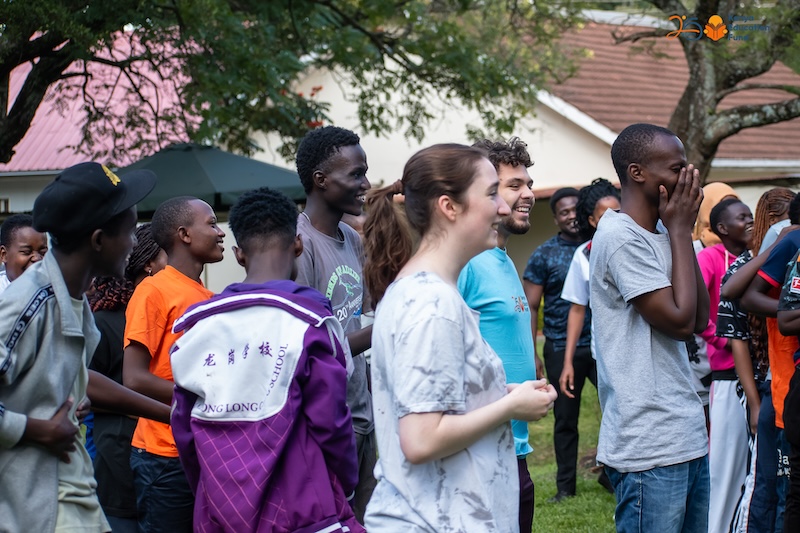
Expanding the geographic range of our international education opportunities is a key priority for the Office of Intercultural Learning and the Global Engagement Minor. Though Europe represents around 3% of the world’s languages, and around 9% of the world’s population, much of higher education’s international education focus is concentrated in western Europe. Toward that end, another exceptional highlight this year was the opportunity to design and teach a new course called CGST 206: Global Engagement in Practice, Swahili Language and NGO Case Study in Kenya. Thanks to countless small connections and collaborations, this opportunity was initiated by Andy Fairbanks ’90, whose recognition of today’s need for cross-cultural understanding spurred him to initiate and fund this program. From twenty outstanding applicants, we were able to accept a cohort of eight to the course. Embedded in a full credit course that joined beginning Swahili instruction with regional studies, we spent spring break in Nairobi with Kenya Education Fund, an organization that tackles educational access for Kenyan youth. This course was an exciting step toward broadening both where our students go and what languages they study, better reflecting the world’s linguistic and cultural diversity. Our funding lasts for one more year, so we’ve initiated a pilot internship program in Nairobi this summer to root our engagement toward the long term. Ry De Guzman ’28 will spend 8-10 weeks with ChezaCheza, a partner organization, trailblazing what we hope can be an ongoing relationship that allows us to continue a mutually beneficial Wes engagement in the region.
What stands out to me the most about this semester is the growing network that my office has become a part of in the three plus years that I’ve now been in this role. Although I’m technically an office of one, you may have noticed that I’m always using “we” when I describe my work. The collective nature of intercultural work has brought more people to my physical and virtual door than I can list here – my warmest acknowledgement and thanks to each of you! Two terms from this year’s African partnerships best summarize this year’s growth – thanks to Dr. Precious Simba for teaching us Sawabona – a South African greeting that literally means “I see you”. A single word expresses a deep acknowledgement of and respect for a person’s dignity and wholistic presence. Imagine a world where we all used that greeting? We’ve also used the word “ubuntu” more times than ever this year, a well-known African philosophy and way of life that’s centered around the collective idea that “I am because you are”.
In other words, we’re in this together, and if someone’s voice isn’t being heard, we’re all missing out. Thanks to everyone reading this who’s been a part of “us” this year – it’s such an honor to grow with you.
Have a restorative summer!