

By Marthal Aderibigbe ’27
This semester, I decided to take a Korean Musical Culture class at Seoul National University. In this class, we learn about different types of traditional Korean music, including folk songs, pansori, classical vocal music, and court music. Before taking this class, I did not think much about traditional music, especially compared to how global and popular K-pop is today. Recently, I started hearing more people talk about 아리랑 (Arirang). BTS completed their military service, which is required for Korean citizens, and then released an album called “아리랑.” Because of this, many K-pop fans began asking what Arirang is and where it comes from. I first heard about this from a friend, connecting me back to what I had been learning in class.
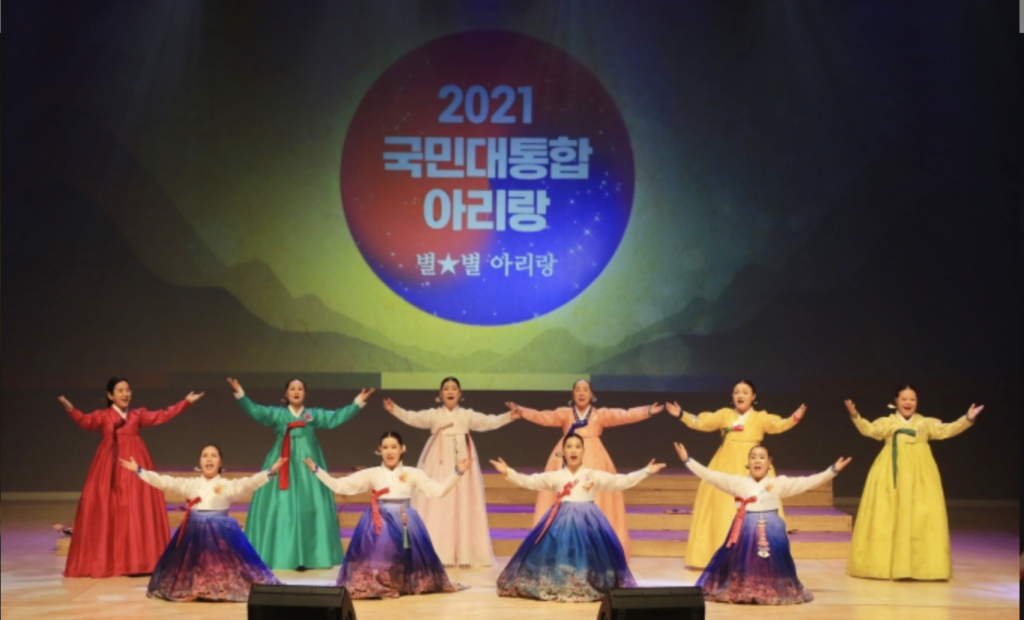
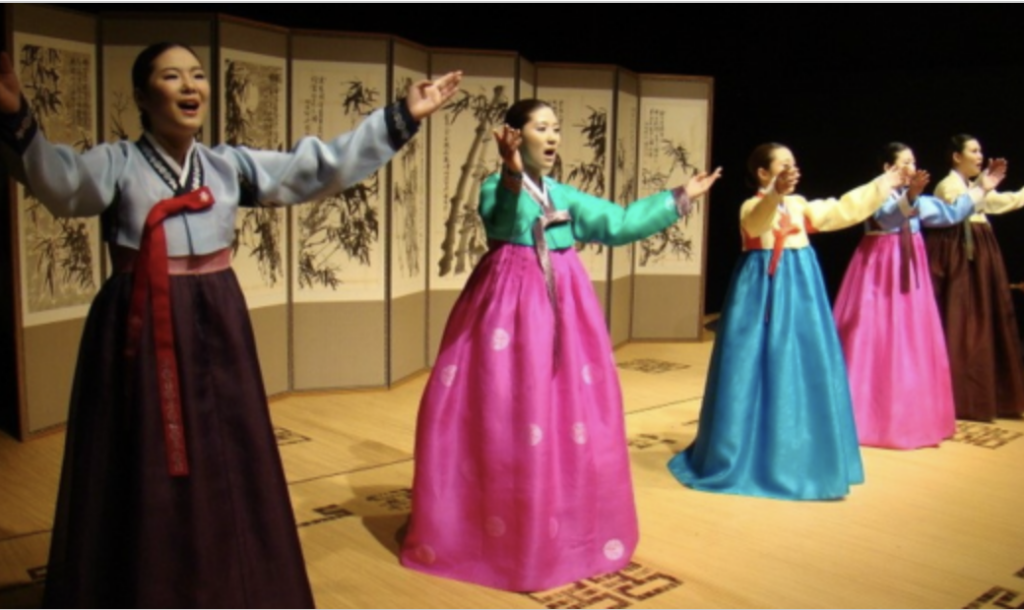
Out of all the folk songs we studied, Arirang was one of the most memorable to me because of how many versions of it exist and how emotional it feels.
From Seoul to Gyeonggi to Gangwon-do to Jindo, each region has its own version of Arirang. While the melodies and rhythms are slightly different, they all share a similar meaning. Arirang is generally about missing someone or feeling a deep sense of longing.
The most common lyrics in many versions are:
아리랑 아리랑 아라리요
아리랑 고개로 넘어간다
나를 버리고 가시는 님은
십리도 못 가서 발병난다
These lyrics describe someone being left behind by a loved one. The singer expresses sadness and longing, and even says that the person who leaves will not make it far before their feet begin to hurt. In class, we discussed how “Arirang” itself does not have one exact meaning, but it is often understood as symbolizing a loved one or a deep emotional connection.

The album includes a song called “Body to Body” that samples Arirang, which led many fans online to start talking about it and learning more about its meaning.
Even though the concert has not started yet, fans are already learning the lyrics and practicing so they can sing along when it happens. Seeing this made me realize how a traditional folk song that I learned in class is now being shared and appreciated by people all over the world.
Being in Korea and taking this class has made this experience more meaningful for me. Arirang is not just something from the past that we study in a classroom. It is still part of Korean culture today, and it continues to change and reach new audiences. When I hear it now, it feels different. It is not just something I learned, but something I feel more connected to.
Through BTS, Arirang is being introduced to a global audience in a new way. At the same time, it still carries the same emotions of longing and connection that it always has. Seeing people across the world learn it and prepare to sing it makes it feel like that emotion is being shared, not just understood.