
By Zaynah Almasri (’27)
Power of Language (POL) Week returned to Wesleyan this February with a vibrant series of events celebrating multilingualism, cultural exchange, and the powerful role language plays in shaping identity and community. Hosted by the Fries Center for Global Studies, the annual observance coincided with International Mother Language Day (February 21) and honored the history of the Bengali Language Movement while highlighting the linguistic and cultural diversity present on campus. You can look back on the full schedule of events on the Power of Language page..
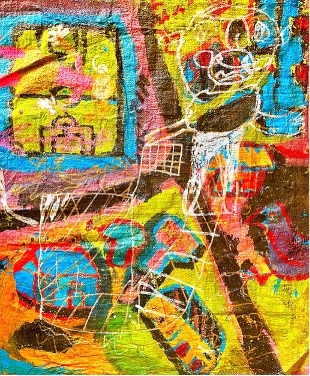
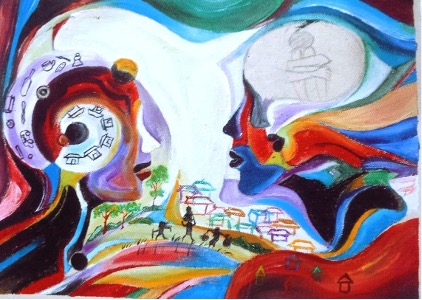
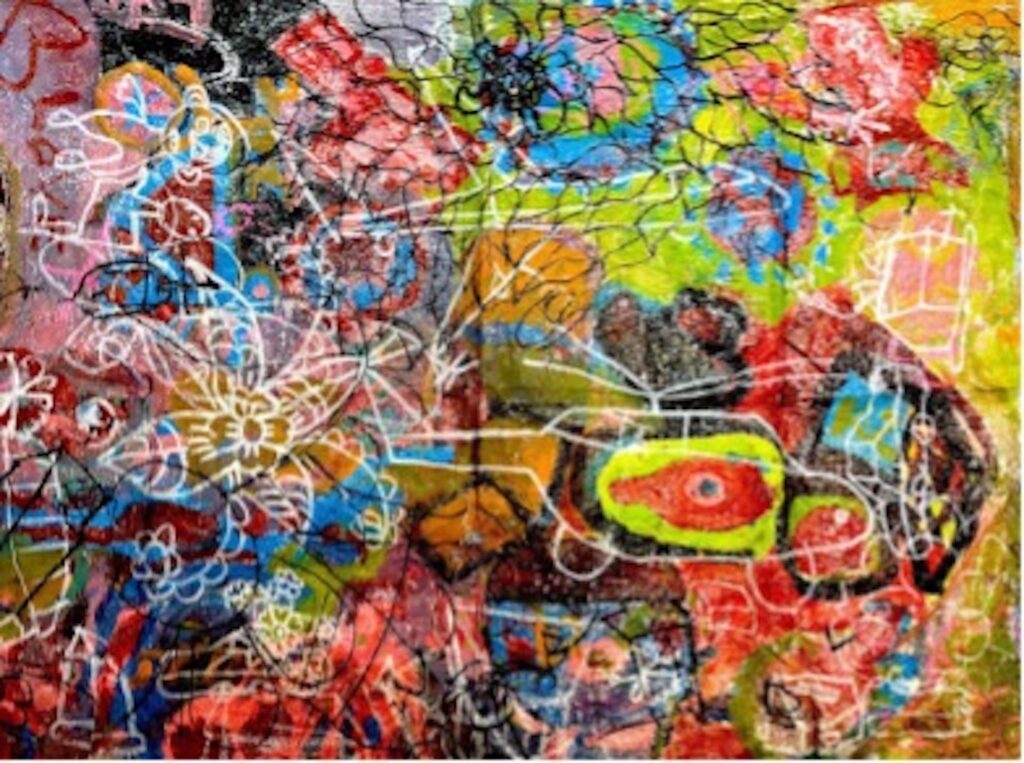
This year’s observance opened with Artolution: Art Through Crisis, an exhibition currently on display in Fisk Hall. Featuring collaborative murals created by refugees and displaced communities from regions including Uganda, Colombia, Jordan, Bangladesh, and Lebanon, the exhibition demonstrates how art can serve as a powerful form of communication in times of crisis. Curated by muralist and Artolution co-founder Max Frieder, the project highlights how creativity can foster resilience, healing, and connection across communities affected by displacement.
Beyond the exhibition, POL Week offered students numerous opportunities to experience language through culture, music, film, and conversation. One of the most memorable evenings was Habibi Funk DJ Night at Espwesso, a listening session inspired by Arabic funk, disco, and soul music from the 1960s through the 1980s. The event transformed the familiar campus café into a lively gathering space where students explored musical traditions from across the Arab world.
A student attendee reflected on the atmosphere of the event, noting that the space quickly filled with conversation and laughter as students gathered over coffee and tea. The evening highlighted the diversity of the campus community, as “Dareeja, Arabic, Urdu, English, and Spanish” could be heard throughout the room, illustrating how a musical event centered on Arab culture brought together students from many linguistic backgrounds.
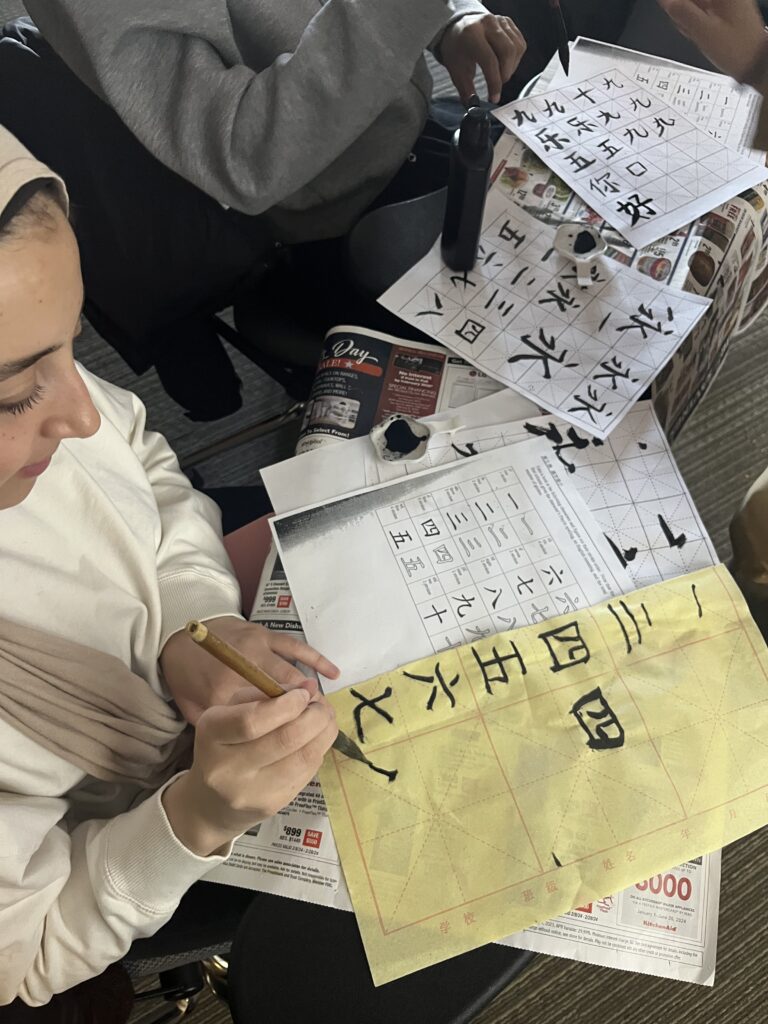
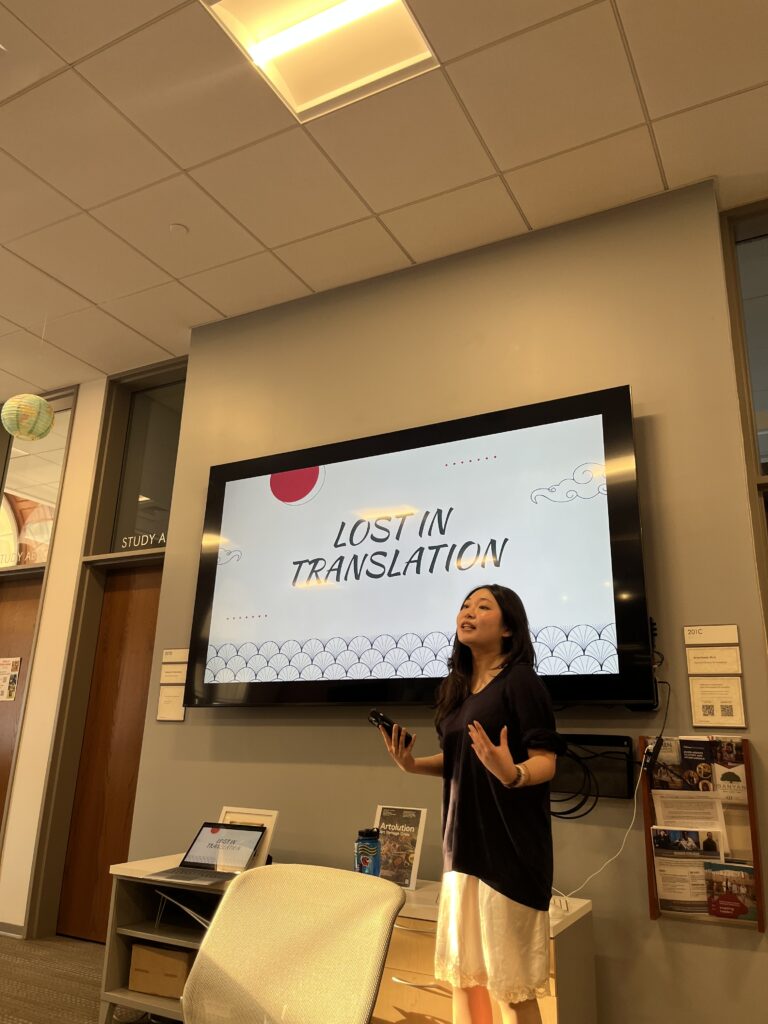
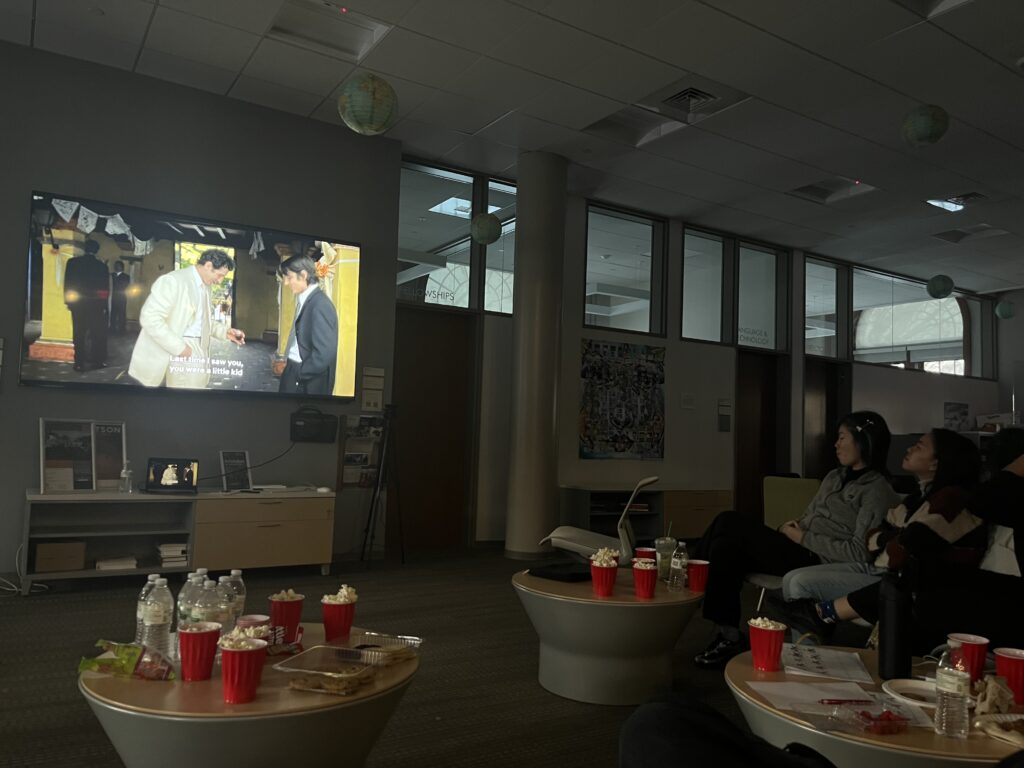
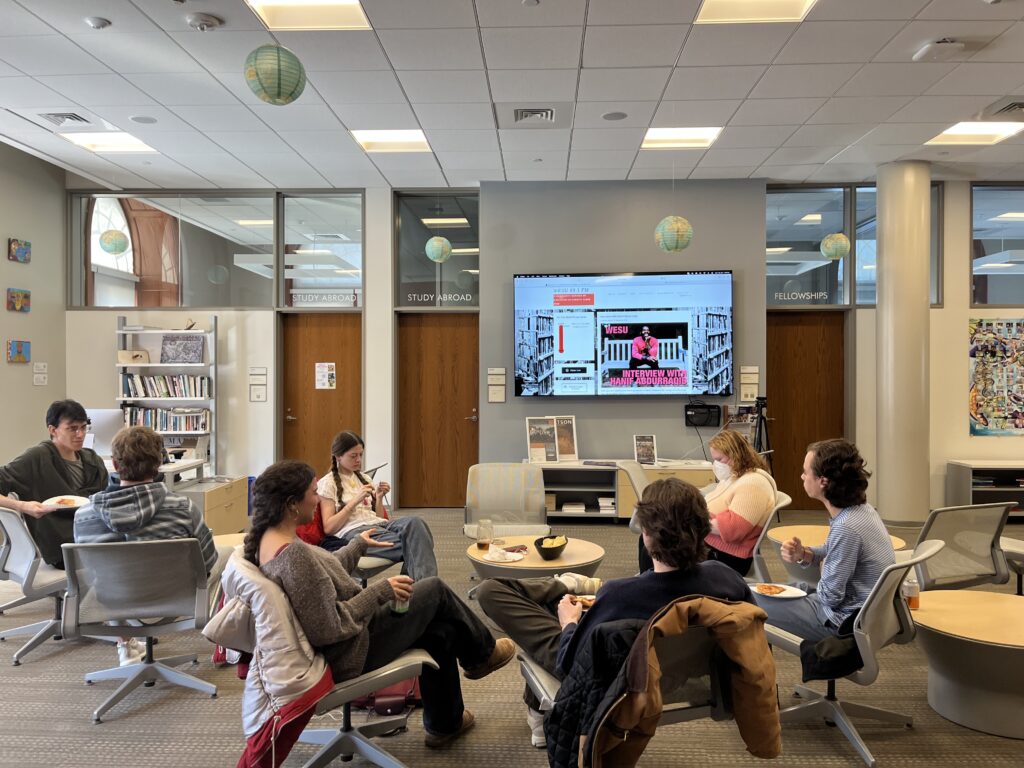
Other events throughout the week continued this exploration of language in everyday life. A Name Translation Workshop invited students to learn how to write their names in Twi and Arabic, encouraging participants to reflect on how identity travels across scripts and cultures. Film screenings, including Viet and Nam and Searching for the Folk Philosopher, allowed students to experience language through cinema while engaging in discussions about culture, storytelling, and translation. An ASL Movie Night introduced students to Deaf culture and history through the documentary Deaf President Now!, while a Translation Panel brought together translators on campus to discuss the craft and career of translation.
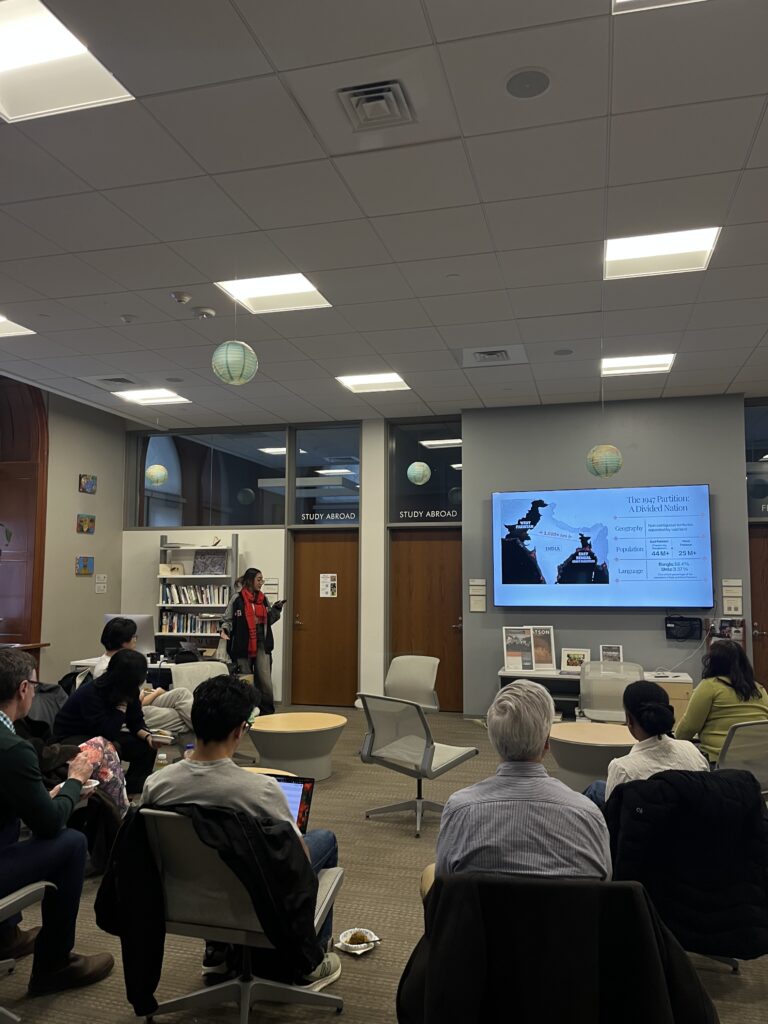
The week also included a conversation titled “Bangla, Belonging & Beyond”, which explored the historical roots of International Mother Language Day and the 1952 Language Movement in Bangladesh. The discussion highlighted how struggles over language are often closely tied to questions of identity, political activism, and cultural recognition.
Through art, music, film, and discussion, Power of Language Week 2026 once again demonstrated that language is far more than a tool for communication—it is a way of preserving culture, sharing stories, and building community. As the celebration continues to grow each year, it remains a powerful reminder that linguistic diversity enriches the Wesleyan community and connects us to a wider world.