


By Hedaya Abdullah
In difficult times, some simple activities feel as if they arrive from the sky inviting
you to think deeply about what you are going through, and to discover, with patience,
reflection, and quiet wisdom, that they came for your own good, as if gently waking you up
from the reality you are living. This introduction may seem strange, complex, or unclear at
first, but I will return to the moment I found myself in one of Wesleyan’s halls, attending an
event for the Introduction to Global Engagement course. My husband, my son, and I were
among a group of families who agreed to take part in a program of connection and
introduction in a non-traditional way.
From the very first meeting, I truly loved the experience. It was unconventional and refreshing. I met several families and individuals; some of whom like me carry heavy lives shaped by hardship in their home countries. I am from Gaza, and even after two years of genocide, I am still trying to fully grasp the meaning and impact of having my entire life destroyed. The war took place with my beloved sister, friends, loved ones, my home, and my memories. I found myself outside of context, as if I were being forced to start again from zero.
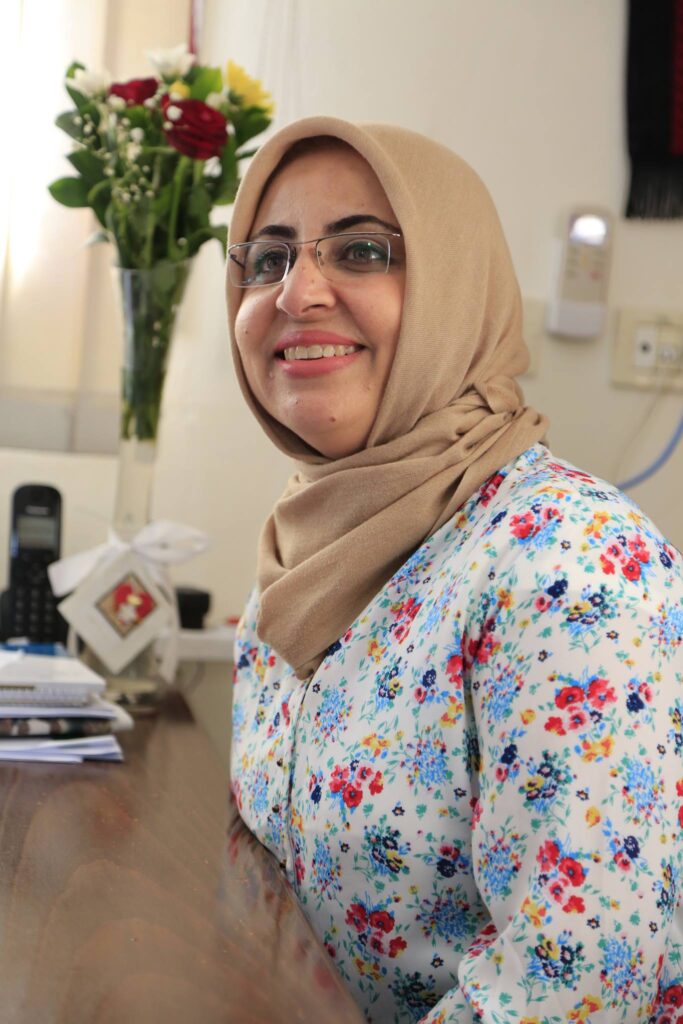
That day, we engaged in simple activities, yet they were profoundly impactful. They invited us to reflect deeply on everything. They revealed the beauty of generational differences in thinking at times, and at other moments made us pause carefully before making choices or explaining why we made them. I came to call it the game of life we live. I found myself thinking about the present moment and the abilities I have to make decisions within it. Sometimes, we are not even granted the luxury of choice; choices are imposed upon us just as in our own life. I have more than thirty years of professional, humanitarian, feminist, academic, and social experience. I was a well-known media professional in my city, trusted and respected as a consultant in research, media, and literature. I was multi-talented, deeply curious, and driven by passion.
Yet within two years, everything was consumed in Gaza. My city, Rafah, was erased and remains under occupation. Thinking about all of this can feel like throwing your own soul into destruction. But I am different from many of my peers. I am a daughter of life and a
daughter of flowers. I cannot remain trapped in sadness and exhaustion while I am unable to
help my family, friends, and neighbors who are still suffering there. I realized that I must be
strong in order to support my family here and my family in Gaza. I made a conscious
decision to start again from scratch. I found myself within a university environment
surrounded by immense moral and human support that helped me reconnect with my inner
strength.
Learning Across Differences
The program itself involved several meetings with two students who agreed to participate
alongside me. Our first meeting with Lizbeth and Aubrey took place at my workplace at the
Shapiro Center. Although it was scheduled to last only one hour, it extended to more than
ninety minutes. We spoke about our cities, our families, what we love, and what we know.
Music soon emerged as our shared language, dissolving distances of age, culture, and perspective. I promised Lizbeth and Aubrey that I would send them more Palestinian music. They read my blog and several published articles, opening space for deep learning and exchange. The following meetings became increasingly warm and spontaneous. We discussed academic work, their experiences within the education system, and the value of open discussions with university students to strengthen critical thinking skills. We also spoke at length about artificial intelligence, its importance, its dangers, and its limits within academic education.
We spoke as friends, and they reciprocated that feeling. The barriers created by language and
culture gradually dissolved. We began to look forward to our meetings, even during the
harshest moments of my life, when I remained alone in the United States while my family
was no longer with me. This experience marked the beginning of something entirely new for
me.
Through these meetings and through my educational path, I encountered remarkable students,
curious, engaged, and eager to understand what is happening in the world, particularly in
countries affected by war and conflict. I rediscovered my authentic self: the woman who
loves teaching and learning, who believes that every day is a gift and an opportunity to
exchange knowledge and experiences.
In my meetings with Lizbeth and Audrey, we also shared conversations about food and
traditional clothing. I often joked that I was not only a friend but also a mother. We brought
sweets together; I baked my favorite Marble cake to share moments filled with lively
discussion and deeper connection not only between ourselves, but also with the cities and
cultures we love.
We spoke about plants and herbs known to our grandmothers, discovering shared wisdom across cultures. I told them about hibiscus, a flower deeply beneficial for women, used as both a hot and cold drink. I also brought Sage- Maryamieh, which we add to tea in Palestine, creating a comforting and healing drink especially helpful for women during menstruation. I brought cakes and sweets; they brought flowers, cards, small gifts, books, and medallions.
Everything was shared with love and spontaneity. We discussed serious and meaningful topics, exchanged laughter and smiles, and spent time that was both joyful and enriching. We met again at the end of the semester, despite everyone’s busy schedules. These meetings felt like moments of emotional refuge in spaces where ideas could be exchanged without judgment, with deep understanding and respect. They were intelligent, dedicated students
with remarkable human sensitivity.
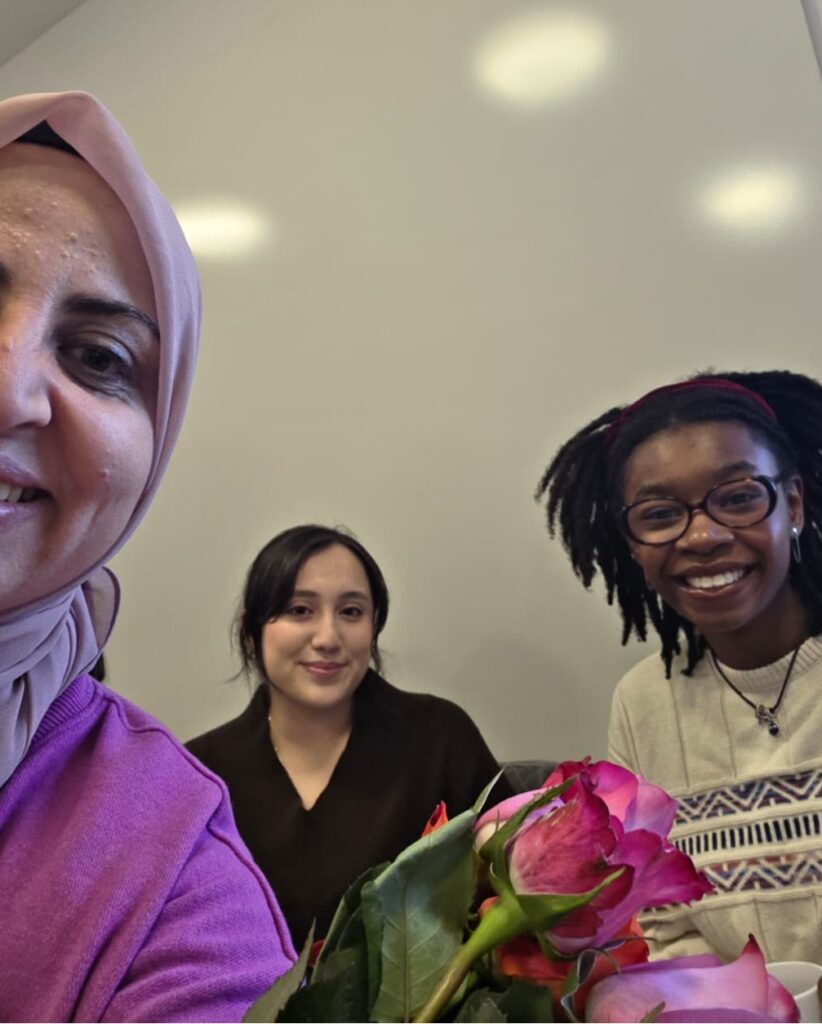
I also met them on the final day alongside all participating families and partners. The
community had grown. Although I was exhausted and deeply lonely, the gathering was warm
and beautiful. I met people from different generations and reunited with familiar faces from
the beginning of the program. It felt like a small community rooted in love, cooperation, and
mutual respect.
Respect as Shared Language
Anita, whose heart carries love for everyone, deeply inspired me through her humility and
sincere engagement with all participants. I will never forget her thoughtful effort to ensure halal food was available not merely as a dietary choice, but as a gesture of respect and cultural awareness. From her, I learned that we are all equal.
University life at Wesleyan, through its diverse programs, plays a refined and meaningful role
in fostering intercultural understanding. Despite the storms threatening values worldwide, this
program and others like it prove that organized, dedicated work and belief in higher values
rooted in respect, dignity, and empathy remain our strongest tools against darkness and
intellectual violence. I feel immense gratitude and carry countless lessons learned from
people of different nationalities and cultures. Life shapes our awareness, and the experiences
we carry from different countries deepen our understanding of humanity of respecting others
and respecting one another.
Hedaya Abdullah is a Shamun Palestinian Writer and Journalist, and Visiting Scholar in Residence at Shapiro Center, Wesleyan University and Member of the New University in Exile Consortium
Anita Deeg-Carlin is the Director for Intercultural Learning and Coordinator for the Global Engagement Minor.